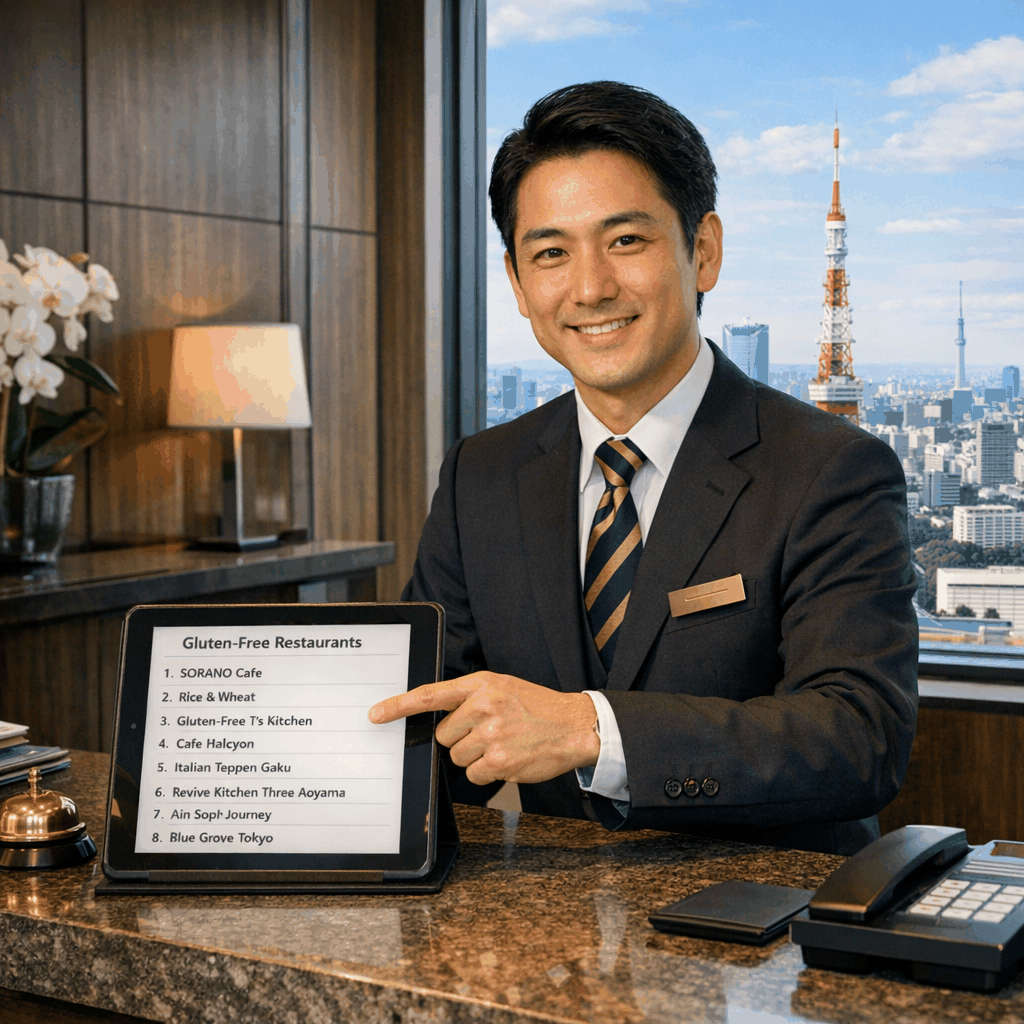
Can a concierge find gluten free restaurants in Tokyo?
Tokyo concierges can find gluten‑free restaurants using Tabelog, Gluten Free Japan, and MHLW allergen rules. Success depends on clear communication and celiac r
Read Article
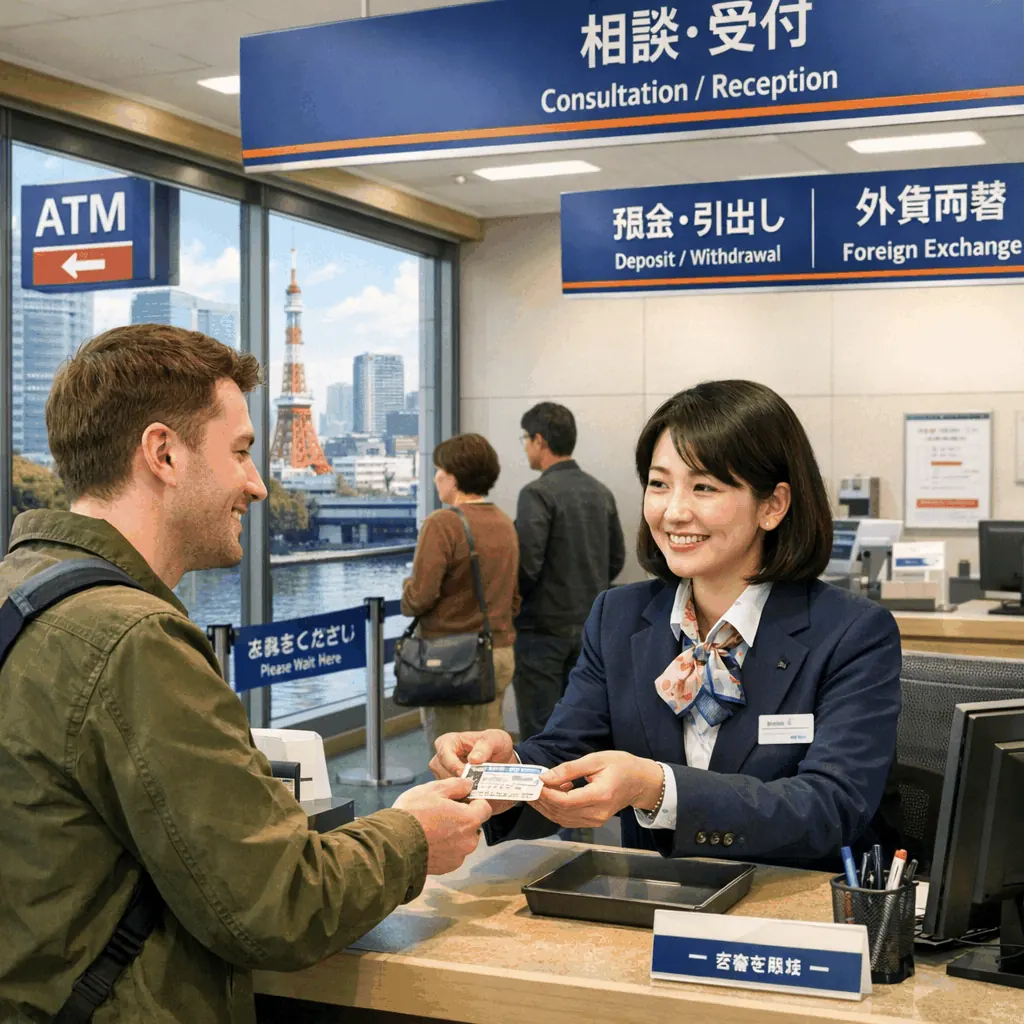
Moving to Tokyo? Opening a Japanese bank account is one of the first practical steps that makes paying rent, receiving salary, and using utilities much easier. This guide walks you step-by-step through what Tokyo branches will commonly require, which providers are expat-friendly, and practical local tips — all based on official and major local sources so you can prepare documents and expectations before you visit a bank branch.
A local bank account is often required by landlords and employers in Tokyo, and it simplifies monthly bills and salary deposits. Japanese banks typically insist on a valid Residence Card (在留カード, zairyu card) and a Tokyo address before account opening procedures proceed [1]. If you are still on a short-term tourist stay, most retail banks will not accept your application; long-term residency status is normally required [1].
Three useful options for new arrivals in Tokyo:
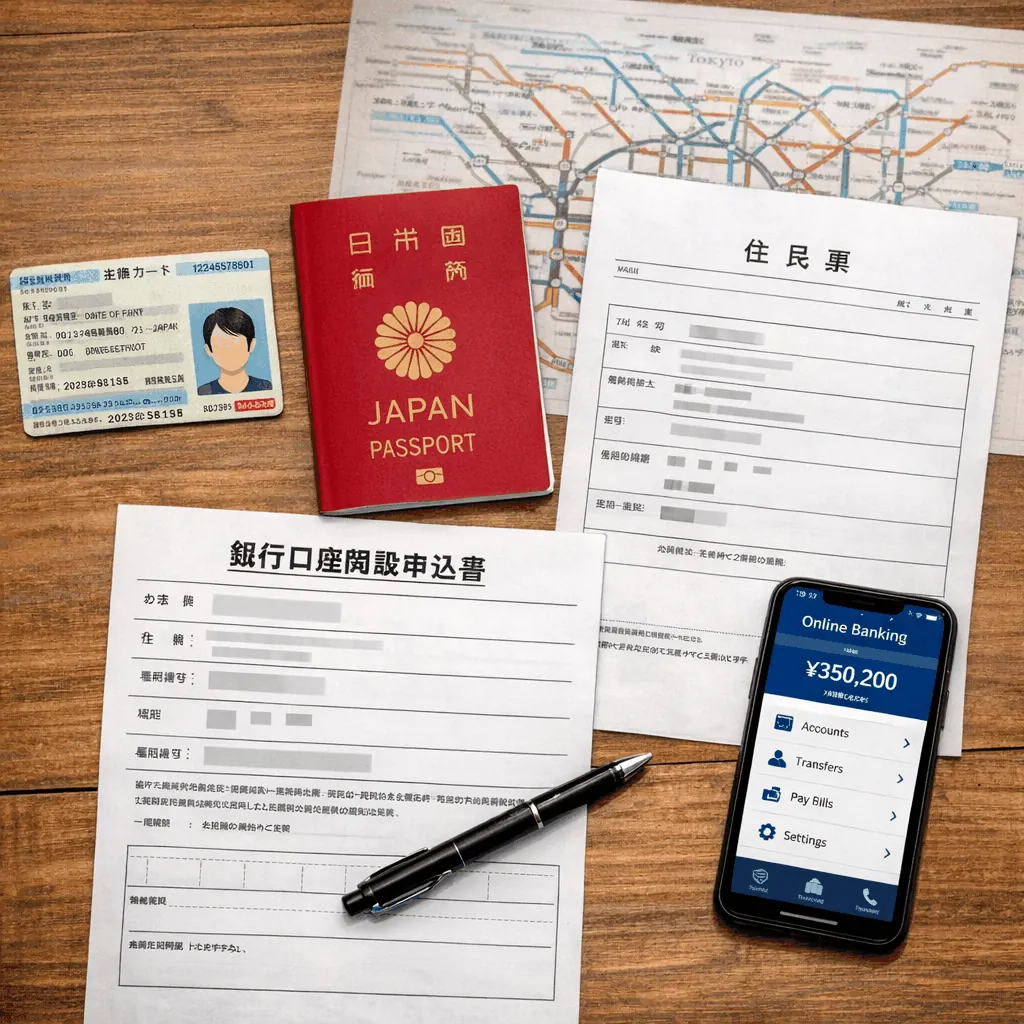
Prepare the following before visiting a Tokyo branch. These items are consistently requested by banks and official guidance:
In Tokyo, complete your juminhyo (residence registration) at your Tokyo ward or municipal office before visiting a bank. JETRO and other official resources advise registering your address first because banks commonly require confirmation of a Japanese address and phone number when opening an account [4]. Bring your Residence Card and passport to the ward office; the ward staff will issue the residence registration you can show to banks.
While procedures vary by bank, the typical in-branch sequence is:
Japan Post Bank (Yucho) remains a reliable first stop in Tokyo because of its dense branch and ATM network, including many locations near post offices and major stations; its English pages explain account types and branch services [2].
Online and international banks have become better options for expats. Shinsei Bank offers English support and international transfer services aimed at foreign customers; check their Tokyo branch listings and online application information in advance [3]. International banks with Tokyo branches can help with cross-border transfers but usually require additional documentation.
Sign up for online banking as soon as possible if available. Use 7‑Eleven ATMs and Japan Post ATMs for wide access across Tokyo; 7‑Eleven ATMs are notable for accepting many international cards and operating outside normal bank hours [5]. For overseas transfers, compare fees and exchange rates — banks like Shinsei provide international transfer services tailored to foreign residents [3].
Key official and bank resources to check before you go: the Immigration Services Agency for residence and card rules [1], Japan Post Bank’s English site for Yucho branch/ATM info [2], Shinsei Bank’s English pages for services to non-Japanese customers [3], and JETRO’s living guide for procedures like ward registration and banking basics [4]. For ATM hours and compatibility, Japan Guide provides practical notes on using ATMs in Tokyo [5].
CallButler is a multilingual concierge service that handles research, coordination, and bookings so you do not have to navigate language barriers or unfamiliar systems alone. If you need help related to Tokyo: open a bank account as an expat - step-by-step or the tasks around it, our team can step in to manage the details and keep things moving smoothly.
Tokyo concierges can find gluten‑free restaurants using Tabelog, Gluten Free Japan, and MHLW allergen rules. Success depends on clear communication and celiac r

A practical guide to food options inside Studio Ghibli Park near Nagoya: where to eat by area, what to expect, dietary notes, payment, and nearby Nagoya alterna
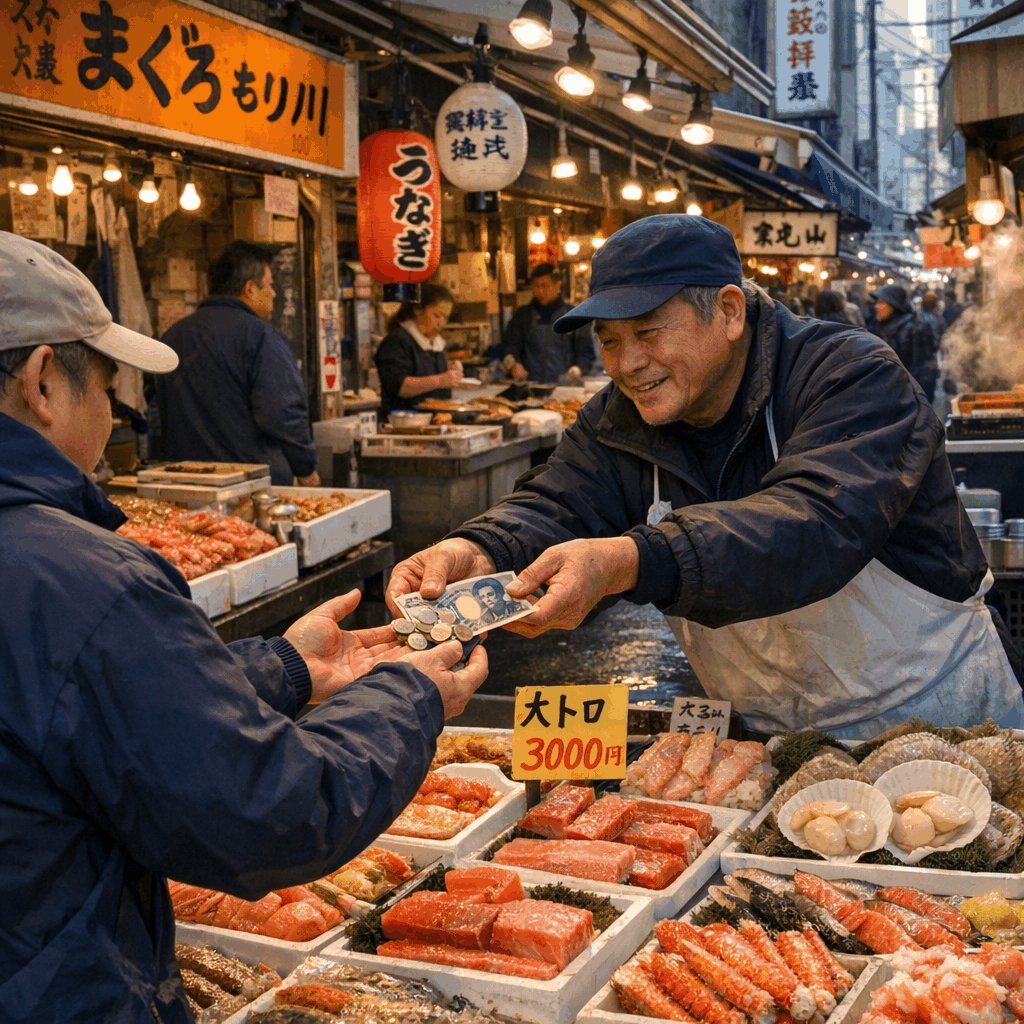
Cash is still the norm at Tokyo's Tsukiji Outer Market; some sushi restaurants and shops accept cards, Suica/Pasmo or PayPay. Bring small yen and use 7‑Eleven A