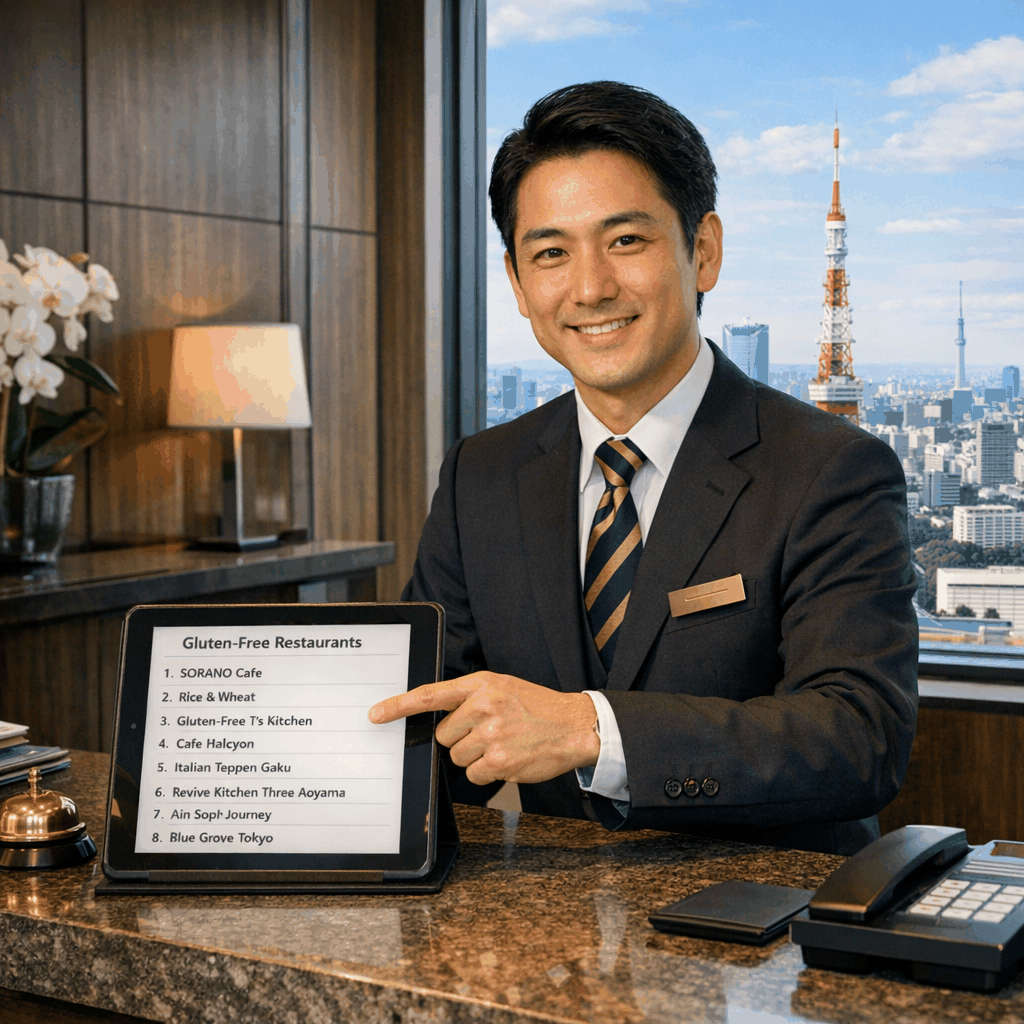
Can a concierge find gluten free restaurants in Tokyo?
Tokyo concierges can find gluten‑free restaurants using Tabelog, Gluten Free Japan, and MHLW allergen rules. Success depends on clear communication and celiac r
Read Article
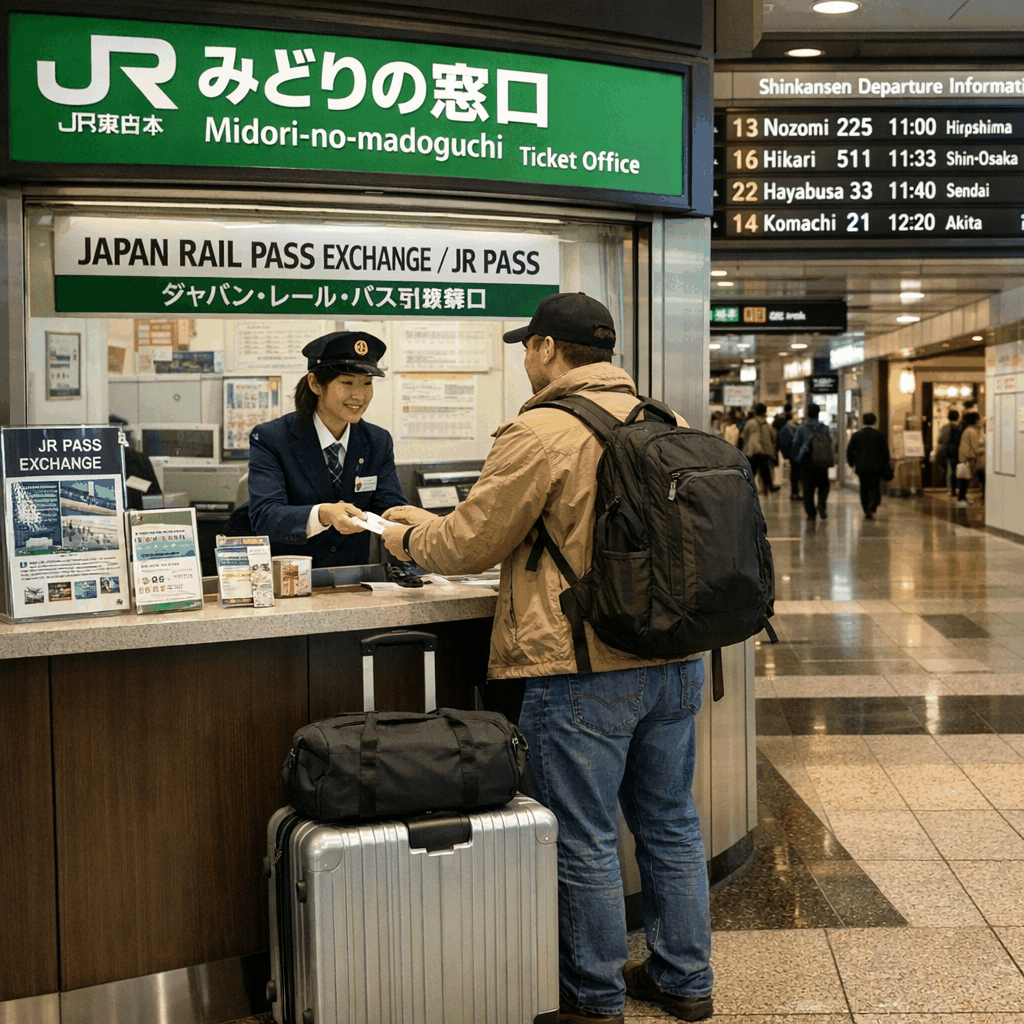
Yes — to use a JR Pass in Tokyo you must exchange your Exchange Order for the active pass at an authorized JR exchange office and choose the activation (start) date there; seat reservations are free and can be made at Midori-no-madoguchi ticket offices in Tokyo or via JR‑EAST/Eki‑net online services.[1][2]
The Japan Rail (JR) Pass is a time‑based rail pass for foreign visitors who entered Japan under the “Temporary Visitor” status. It covers most JR trains, including Shinkansen (except Nozomi/Mizuho), local JR lines in Tokyo, and the Narita Express (N'EX) when you have a reserved seat ticket.[1][5]
Bring the following to any authorized JR exchange office in Tokyo:
In Tokyo you can exchange and activate the pass at major JR ticket offices (Midori‑no‑madoguchi) and JR East Travel Service Centers. Frequent, convenient locations include:
Exchange counters’ hours vary by location; major stations are typically open early to late but check JR‑East or the Japan Rail Pass official site for up‑to‑date hours before travel [1][2].
When you hand over the Exchange Order at the Tokyo counter you pick the start date for the JR Pass. The pass can start the same day or a later date (commonly up to 30 days after exchange — confirm current limits on the issuer’s page) [1].
Validity runs for the period you purchased (7, 14, or 21 consecutive days) starting on that activation date; consecutive days means even partial days count as full days, so choose the start date to maximize use while in Tokyo and on onward journeys [1].
Seat reservations for Shinkansen, limited express trains, and Narita Express are free for JR Pass holders. In Tokyo you can reserve seats by visiting:
For Narita Express (N'EX) specifically, reserve at the Narita Airport JR counter or at Tokyo Station before boarding — N'EX requires seat reservations and has limited seat availability during peak arrival times [4][1].
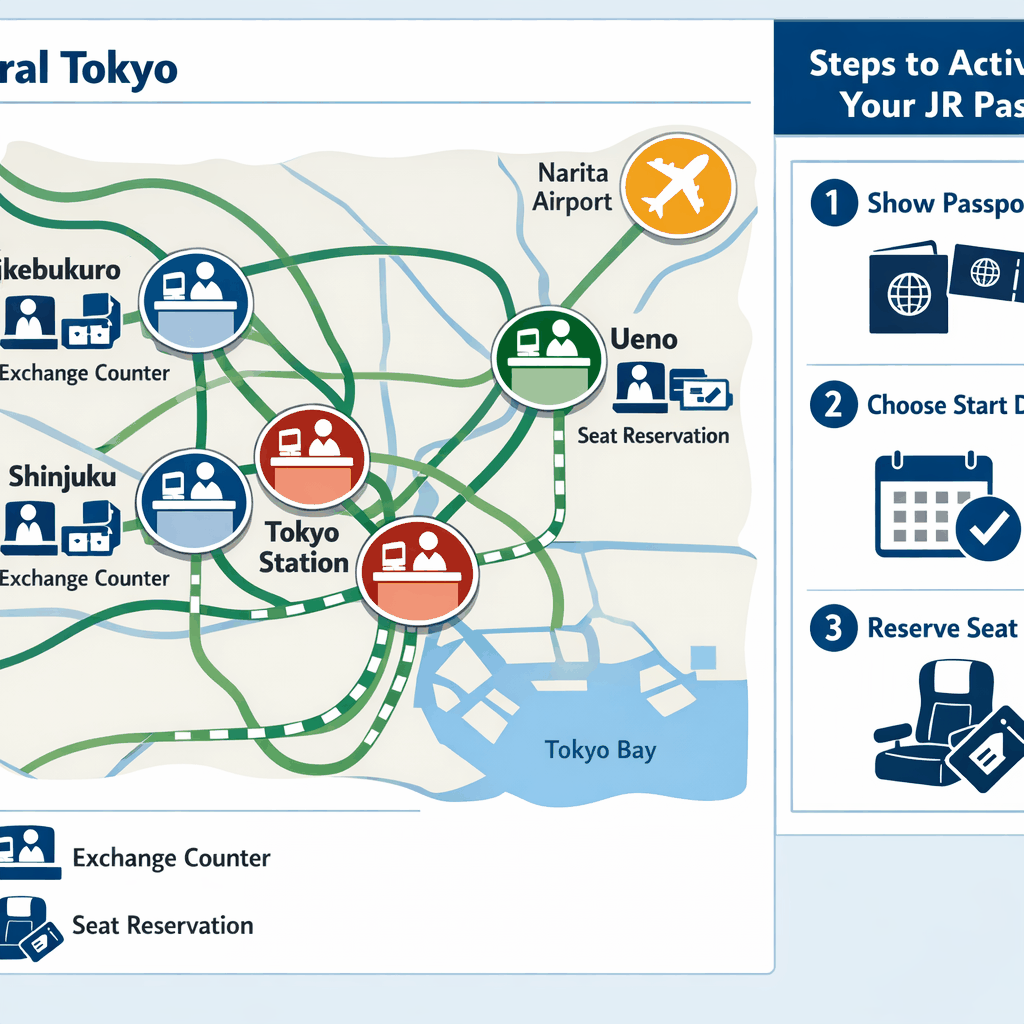
JR‑East’s reservation services (Eki‑net / JR‑EAST Train Reservation) allow advance booking from abroad or in Japan but typically require registration. Use the English Eki‑net site or JR‑EAST reservation portals to search and reserve trains; note that for some bookings you’ll receive a pick‑up number or reservation slip that must be exchanged for physical tickets at a JR ticket office or ticket machine in Japan [3][2].
Steps (typical):
Carry both your JR Pass and the reserved-seat ticket when boarding reserved trains. For Shinkansen and Narita Express you may show the pass and ticket at the gate or to on‑board staff; conductors perform visual checks and may ask to see both items [1].
If you choose non‑reserved cars on local JR trains you can board directly — arrive earlier for morning rush or busy holiday periods when non‑reserved cars fill and standing is likely [1].
Following these Tokyo‑specific steps — exchange at Narita Airport or a central Midori‑no‑madoguchi (Tokyo, Shinjuku, Ueno), choose the start date carefully, and reserve seats either in person or via Eki‑net — will ensure smooth activation and boarding for JR services including Narita Express and Shinkansen departures from Tokyo [1][2][4].
CallButler is a multilingual concierge service that handles research, coordination, and bookings so you do not have to navigate language barriers or unfamiliar systems alone. If you need help related to How to use JR Pass in Tokyo for activation and seat reservations? or the tasks around it, our team can step in to manage the details and keep things moving smoothly.
Tokyo concierges can find gluten‑free restaurants using Tabelog, Gluten Free Japan, and MHLW allergen rules. Success depends on clear communication and celiac r
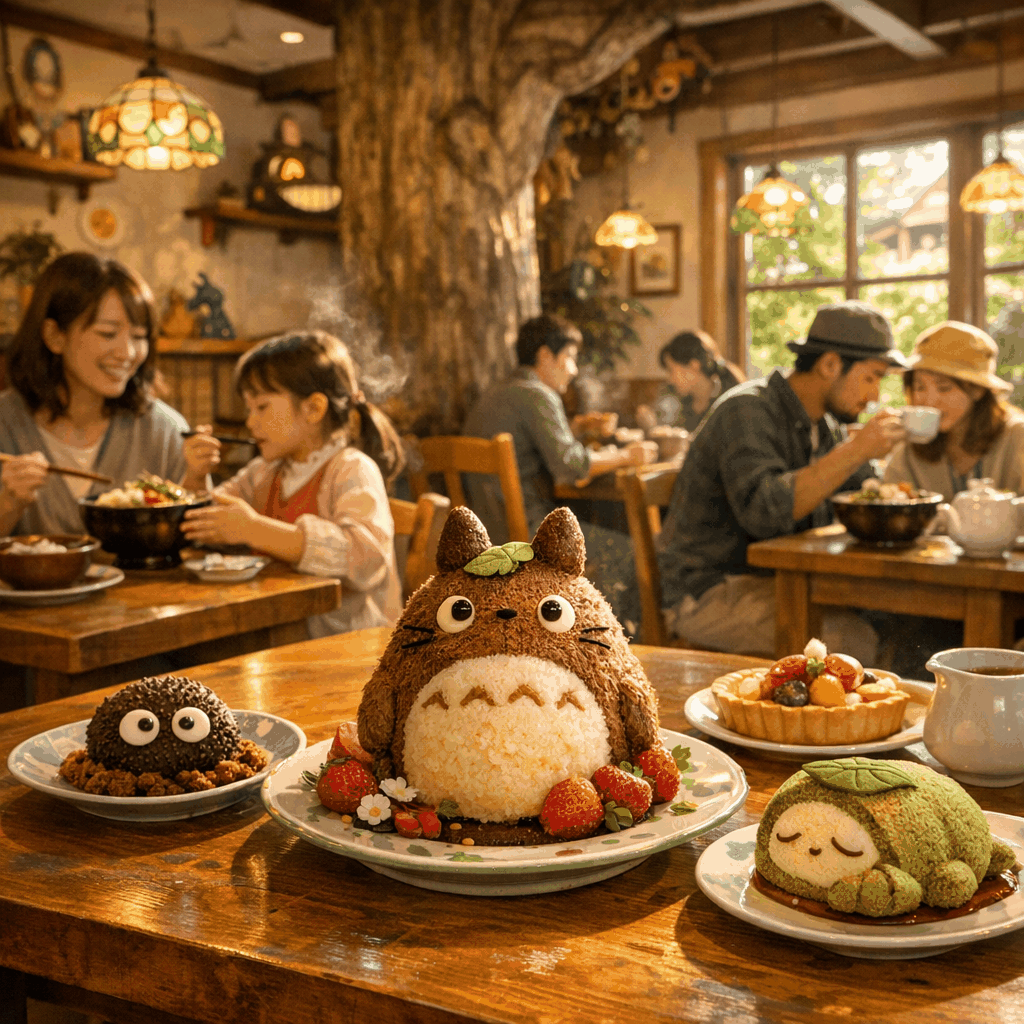
A practical guide to food options inside Studio Ghibli Park near Nagoya: where to eat by area, what to expect, dietary notes, payment, and nearby Nagoya alterna
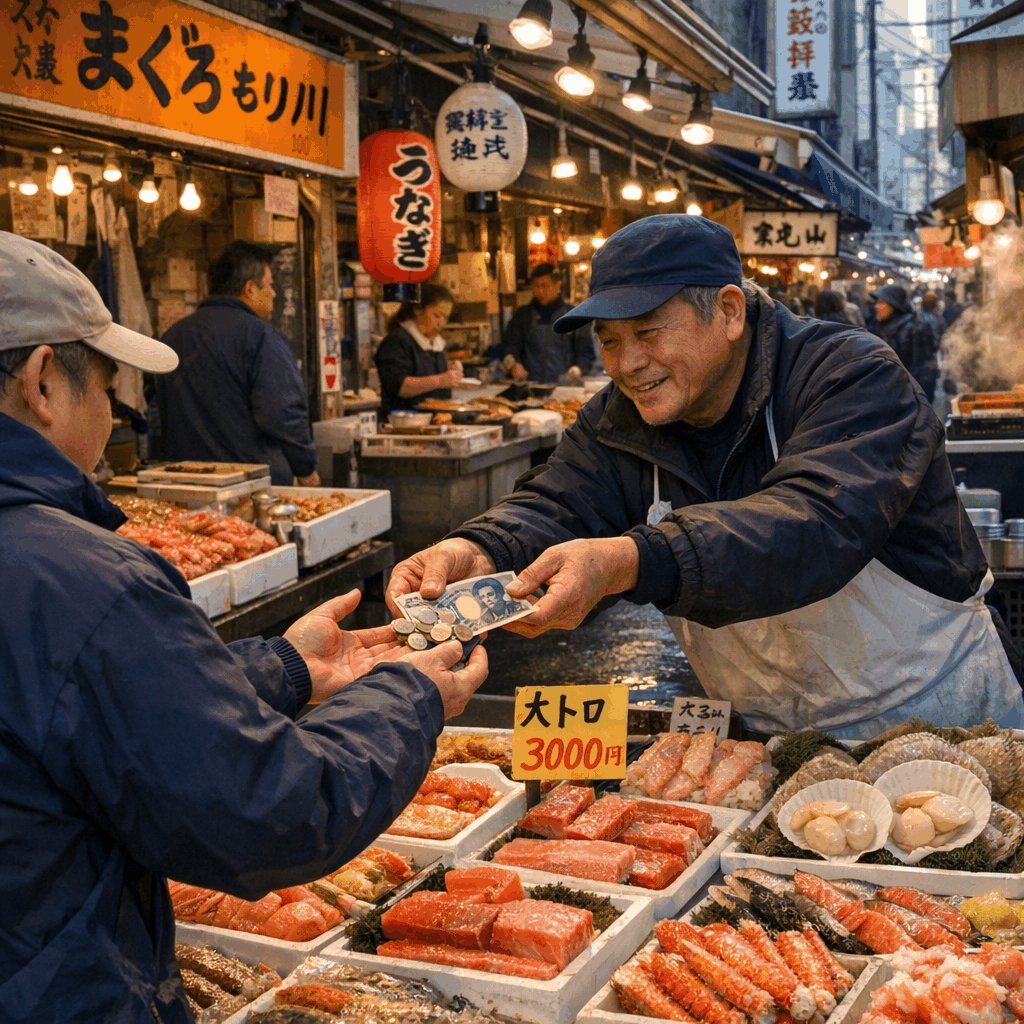
Cash is still the norm at Tokyo's Tsukiji Outer Market; some sushi restaurants and shops accept cards, Suica/Pasmo or PayPay. Bring small yen and use 7‑Eleven A