Article overview: How to book restaurants in Japan for Toky…
Yes — you can reliably book restaurants in Tokyo as an expat by using English-friendly local platforms (Tabelog, TableCheck), international apps (OpenTable via some venues), direct phone calls, or concierge/paid services. Follow the platform rules for deposit and cancellation, learn a short Japanese reservation script, and use concierges for top sushi and kaiseki counters that require advance guarantees.
Why reservations matter in Tokyo — when you need one
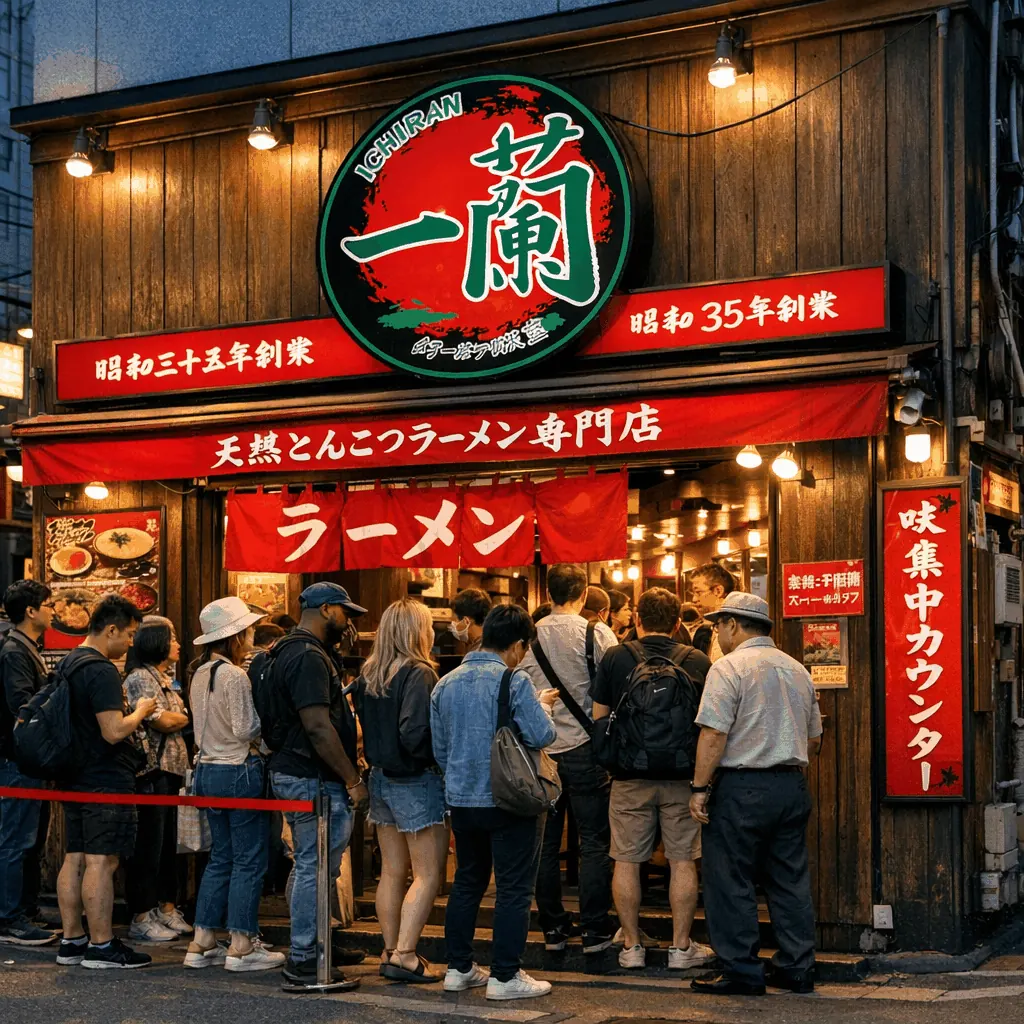
Many popular restaurants, especially in Ginza, Shibuya, and around the Tsukiji Outer Market, expect reservations for dinner, weekends, and any multi-course (kaiseki) or sushi-counter experience; walk-ins work best at casual izakaya and small neighborhood shops [1]. For high-demand sushi counters and kaiseki restaurants you should assume you need a reservation well ahead of time—sometimes weeks to months for famous counters—while casual ramen and standing sushi bars often accept walk-ins [1][3].
English-friendly online platforms and where to start
Start with three sites that serve expats and support English: Tabelog (English interface), TableCheck, and Pocket Concierge. These cover most Tokyo neighborhoods and offer English filters, reservation links, and detailed listings [2][4][3].
Tabelog (English) — broad listings across Tokyo with maps for neighborhoods like Shinjuku, Shibuya, and Asakusa; many entries include direct reservation links or show if a place accepts online booking [2].
TableCheck — used by many mid-size and larger restaurants; search by area (e.g., Ginza, Roppongi) and see available times in English [4].
Pocket Concierge — focused on high-end sushi and kaiseki reservations and private-counter seats; good when you need help with exclusive counters in central Tokyo [3].
How to use phone reservations and a short script
Phone bookings remain common for smaller places in Tokyo. If you call, state: date, time, number of people, your name, and a local mobile number. If you’re nervous, ask a hotel concierge or bilingual friend to call for you [5].
Useful short script (simple English/Japanese mix): “Yoyaku wo onegaishimasu. [date] no [time], [number]-mei desu. Namae wa [your name]. Denwa bangou wa [your phone number].” — this communicates the essentials clearly.
Confirm the spelling of your name and that they can contact your mobile. Many restaurants will text or call to confirm.
If language is a barrier, use the restaurant’s online reservation link on Tabelog or TableCheck, or ask Pocket Concierge for premium bookings [2][4][3].
High-end sushi, counter seats, and kaiseki booking tips
For counter-only sushi (omakase) and many kaiseki restaurants in Ginza, Aoyama, or near the Tsukiji area, expect stricter rules: longer lead times, possible credit-card guarantees or deposits, and limited cancellations. Use Pocket Concierge for help reserving well-known counters and private seats; they specialize in these bookings and explain guarantee policies when required [3].
Lead time: some top counters require weeks to months; less-famous but excellent counters may accept reservations a few weeks ahead [3].
Guarantees and deposits: for expensive tasting menus expect a card guarantee or prepayment for cancellations—confirm this on TableCheck or Pocket Concierge when you book [3][4].
Seating requests: if you must sit at the counter (recommended for sushi), state this when booking; some venues limit counter seats to certain party sizes [3].
Cancellation, no-show fees, and punctuality expectations
Tokyo restaurants value punctuality; arriving late can mean losing your table or being asked to accept a shorter course. Many restaurants enforce cancellation and no-show fees, especially for fixed-price courses; check the booking terms on Tabelog, TableCheck, or the restaurant’s confirmation message [2][4]. GO TOKYO also notes local dining customs and the importance of following restaurant rules in Tokyo’s dining scene [1].
Payment methods and making special requests
Confirm accepted payment methods at booking. While cash is still commonly used at small shops, many mid-to-large restaurants in Ginza, Shinjuku, and Roppongi accept credit cards; always check the listing on Tabelog or TableCheck before you go [2][4][1]. For allergies, birthdays, or seating requests, state these clearly during booking—some requests (e.g., elaborate celebration cakes) may have extra charges or require advance notice.
When to use a concierge or paid booking service
If you’re targeting high-end counters (e.g., sought-after sushi and kaiseki in Ginza/Aoyama) or have language constraints, use Pocket Concierge or a hotel concierge. Pocket Concierge lists high-end Tokyo restaurants and can handle guarantees; hotel concierges often have direct lines to local favorites and can call on your behalf [3][1]. For general listings across Tokyo neighborhoods, Tabelog and TableCheck cover the broadest range [2][4].
Quick checklist for booking a Tokyo restaurant as an expat
Search Tabelog or TableCheck for English booking links and confirm payment/cancellation policy [2][4].
For high-end sushi/kaiseki use Pocket Concierge or concierge help and expect deposit/lead time [3].
When calling, give date, time, party size, name, and a local phone number; use a short Japanese script if possible [5].
Arrive on time, confirm payment method, and state allergies/special requests when booking [1][2].
If in doubt, ask a hotel concierge or use an English-friendly platform rather than relying on walk-ins for dinner in Ginza, Shibuya, or near Tsukiji Outer Market [1][3][2].
Following these steps will make booking and dining in Tokyo smoother: use the right platform for the type of restaurant, be explicit about guarantees and special requests, and rely on concierges for the hardest-to-get seats.
How CallButler Can Help
CallButler is a multilingual concierge service that handles research, coordination, and bookings so you do not have to navigate language barriers or unfamiliar systems alone. If you need help related to How to book restaurants in Japan for Tokyo reservations as an expat? or the tasks around it, our team can step in to manage the details and keep things moving smoothly.