
Can a concierge find gluten free restaurants in Tokyo?
Tokyo concierges can find gluten‑free restaurants using Tabelog, Gluten Free Japan, and MHLW allergen rules. Success depends on clear communication and celiac r
Read Article
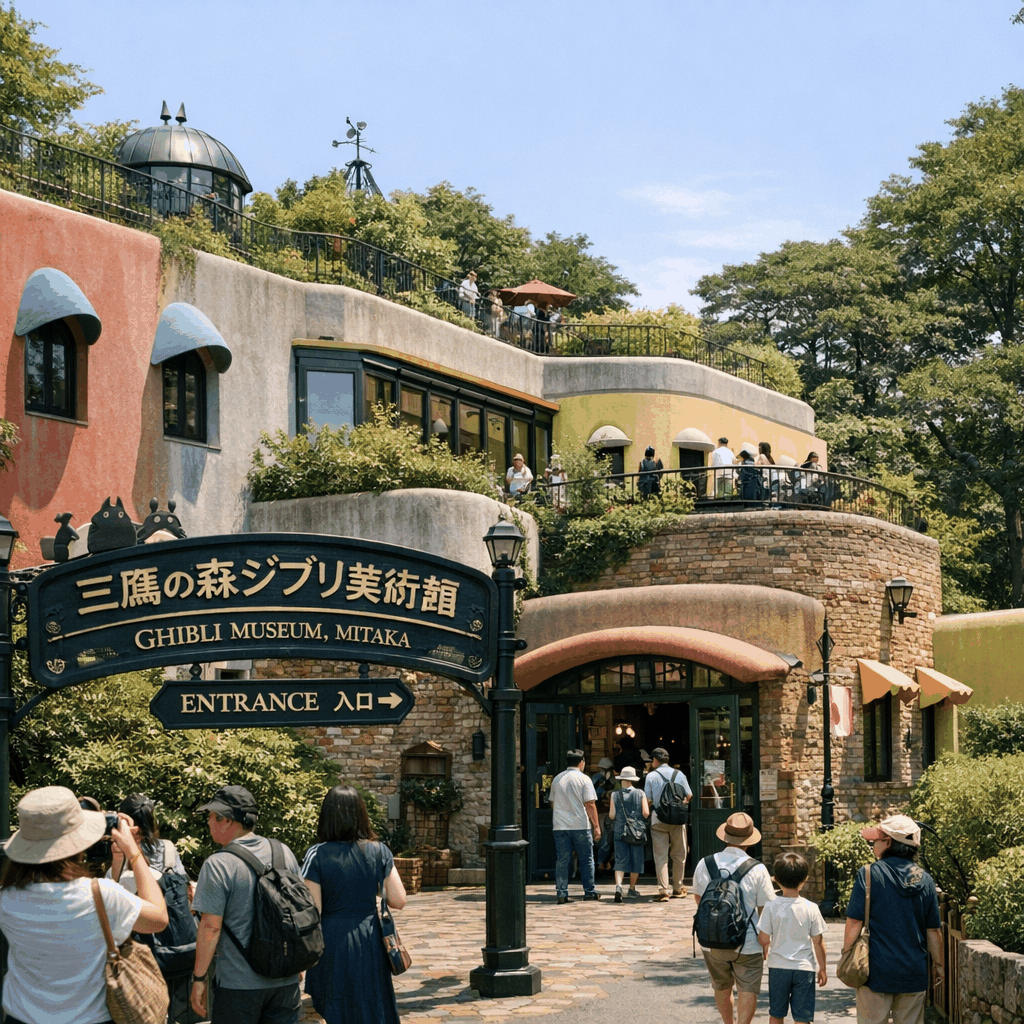
The Ghibli Museum in Mitaka, Tokyo, is reachable on foot from Mitaka Station and requires advance purchase of date- and time-specific tickets — you cannot buy at the door. Plan to reserve tickets through the official ticket channels and arrive at the exact slot printed on your ticket for entry.[1][2]
The museum sits in the western Tokyo neighborhood of Mitaka, adjacent to Inokashira Park and its pond; it is a short walk from Mitaka Station on the JR Chūō Line, inside a quiet residential area that many visitors pair with a stroll in the park or a visit to nearby Kichijōji.[1][3][4]
All Ghibli Museum tickets are both date- and time-specific and must be bought in advance — the museum does not sell tickets at the entrance. Tickets allocate a fixed entry time (timed-entry slots) and you must use the slot printed on your ticket.[2]
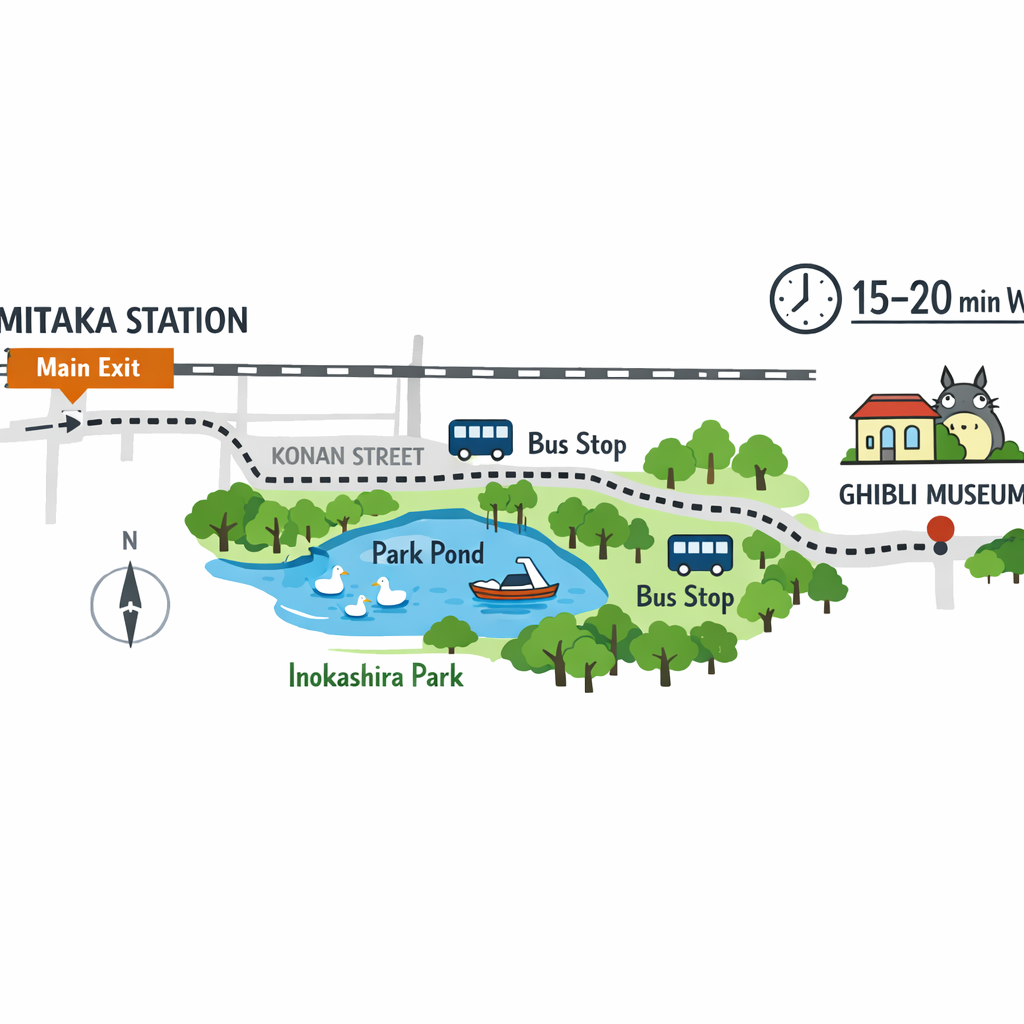
From central Tokyo, take the JR Chūō Line to Mitaka Station. From Mitaka Station’s north exit, the museum is roughly a 15–20 minute walk through neighborhood streets toward Inokashira Park; the route is well signed for Ghibli Museum and the park.[3][4]
If you prefer not to walk, a short community bus (or local bus) runs from Mitaka Station north exit toward Inokashira Park; alight near the park and follow the signs to the museum entrance. Walking the final stretch through Inokashira Park is pleasant and common among visitors.[3][4]
The museum enforces a strict no-photography rule inside the exhibition rooms and film theater; photography and video recording are prohibited in the interior exhibition spaces (outdoor and designated exterior areas may allow photos, follow signage on site).[1]
The museum houses a small theater that screens short, exclusive Ghibli films shown only at the museum; films are part of the timed-visit experience, so include time for a screening in your schedule.[1]
Allow at least 2–3 hours for a relaxed visit to the Ghibli Museum to see the permanent exhibits, watch the short film in the museum theater, and spend time in the outdoor areas or museum shop. Japan Guide and visitor reports commonly recommend a 2–3 hour visit for a comfortable experience.[4]
The museum is popular with families; there is a small children’s area and play space that younger visitors enjoy, but capacity is limited so plan your time accordingly. The museum’s official site and access pages explain entry rules and facilities — check them for the latest accessibility information and any scheduling for children’s spaces.[1][3]
If you are traveling with strollers or mobility needs, review the museum’s visitor guidance on accessibility and barrier-free access on the official site before booking; facilities and layouts can affect how you move through exhibits and the theater.[1][3]
Before you book and travel, verify these items on the museum’s official pages:
Key places to reference when planning: Ghibli Museum (Mitaka) [1], Mitaka Station (JR Chūō Line) for access [3], and Inokashira Park for approach and post-visit walking options [3][4]. Confirm all reservation and schedule details on the museum’s official English ticket and access pages before you travel.[1][2][3]
CallButler is a multilingual concierge service that handles research, coordination, and bookings so you do not have to navigate language barriers or unfamiliar systems alone. If you need help related to How can I plan a visit to Ghibli Museum Mitaka in Tokyo? or the tasks around it, our team can step in to manage the details and keep things moving smoothly.
Tokyo concierges can find gluten‑free restaurants using Tabelog, Gluten Free Japan, and MHLW allergen rules. Success depends on clear communication and celiac r
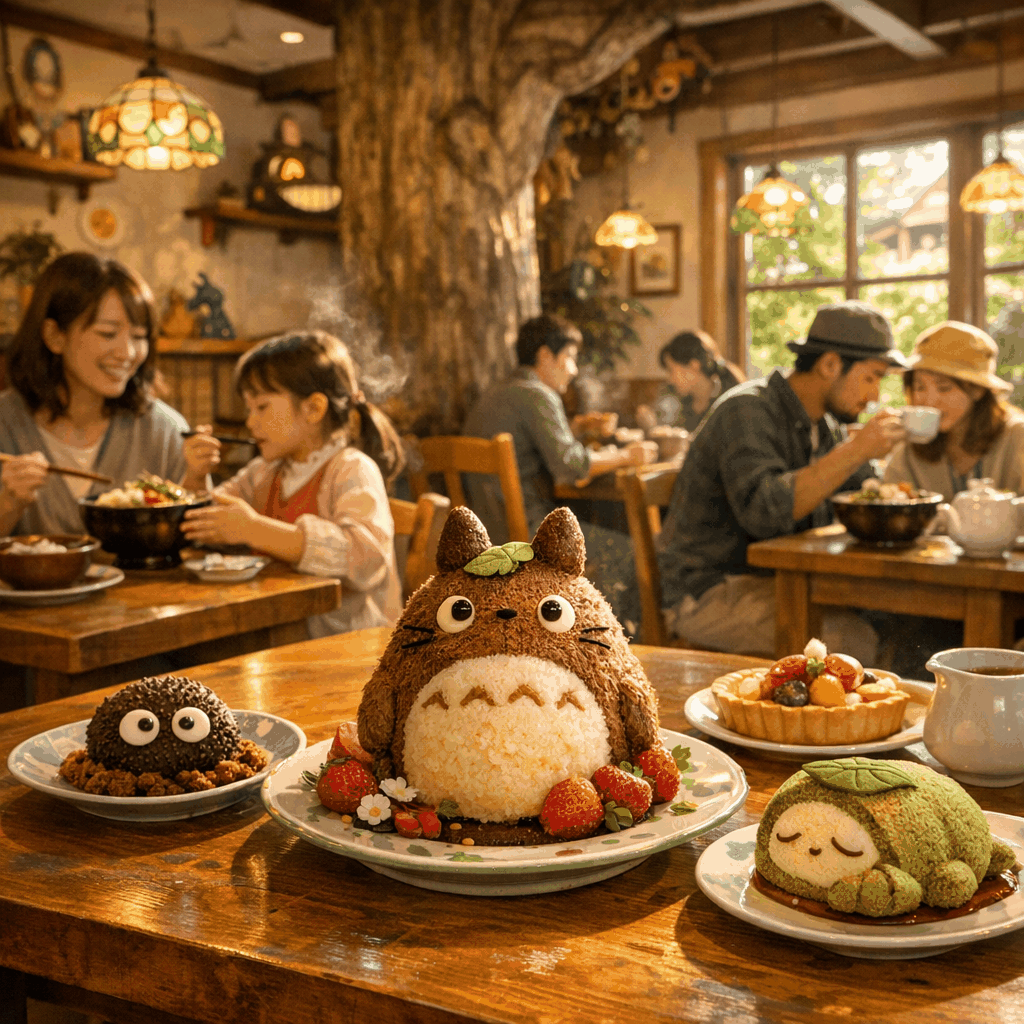
A practical guide to food options inside Studio Ghibli Park near Nagoya: where to eat by area, what to expect, dietary notes, payment, and nearby Nagoya alterna

Cash is still the norm at Tokyo's Tsukiji Outer Market; some sushi restaurants and shops accept cards, Suica/Pasmo or PayPay. Bring small yen and use 7‑Eleven A