Article overview: Can a concierge find gluten free restaura…
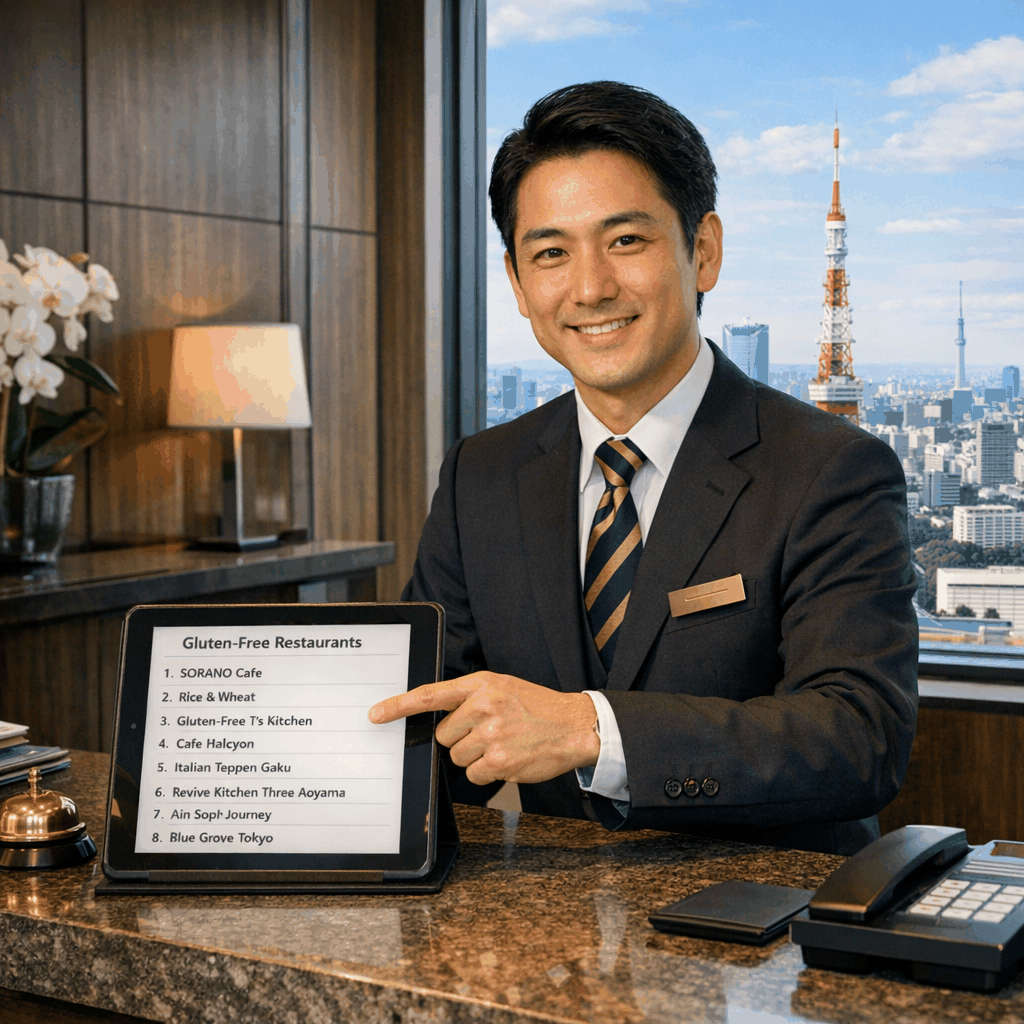
Yes — concierges in Tokyo can often locate gluten‑free restaurants and safer wheat‑free options, especially for guests with sensitivity or preference. Their success depends on the concierge's experience, clear communication in Japanese (or an allergy card), and whether the need is dietary preference or true celiac disease.
How concierges source gluten‑free options in Tokyo
Concierges combine local knowledge, reservation platforms and direct phone calls to identify candidate restaurants. They commonly search review and listing sites such as Tabelog to find restaurants that mention allergy accommodations or menu notes [3], consult Tokyo tourism resources for neighborhood food guidance [1], and cross‑check specialist directories like Gluten Free Japan for venues that advertise gluten‑free menus in Tokyo [4]. In practice this means a concierge will shortlist options in central wards (Shinjuku, Shibuya, Minato) where international dietary needs are more commonly handled, then call the kitchen in Japanese to confirm specifics [1][4].
Japanese allergen labeling and what concierges rely on
Japan's national food‑labeling framework lists wheat (小麦 / komugi) as a designated allergen; packaged foods and many prepared items increasingly display allergen information, which concierges use as a cue but not proof of a cross‑contact‑free dish [2]. For restaurant meals there is no universal labeling law for cooked dishes the way packaged goods have, so concierges treat packaged labeling as helpful background but verify restaurant practices directly [2].
Local tools, databases and phone checks concierges use
Tabelog (restaurant listings and user reviews) to find restaurants that mention allergy notes or have positive guest reports about dietary accommodation [3].
Tokyo Metropolitan/Go Tokyo guides for neighborhood food styles and visitor information (useful to avoid high‑wheat districts like traditional ramen/izakaya clusters) [1].
Gluten Free Japan for curated lists of gluten‑free cafés and international restaurants in Tokyo; concierges use those lists as probable safe options or first choices to book [4].
Direct confirmation: most concierges make a phone call to the restaurant in Japanese to ask about wheat ingredients, cooking oil, and whether separate utensils are possible.
Limitations and risks concierges must manage
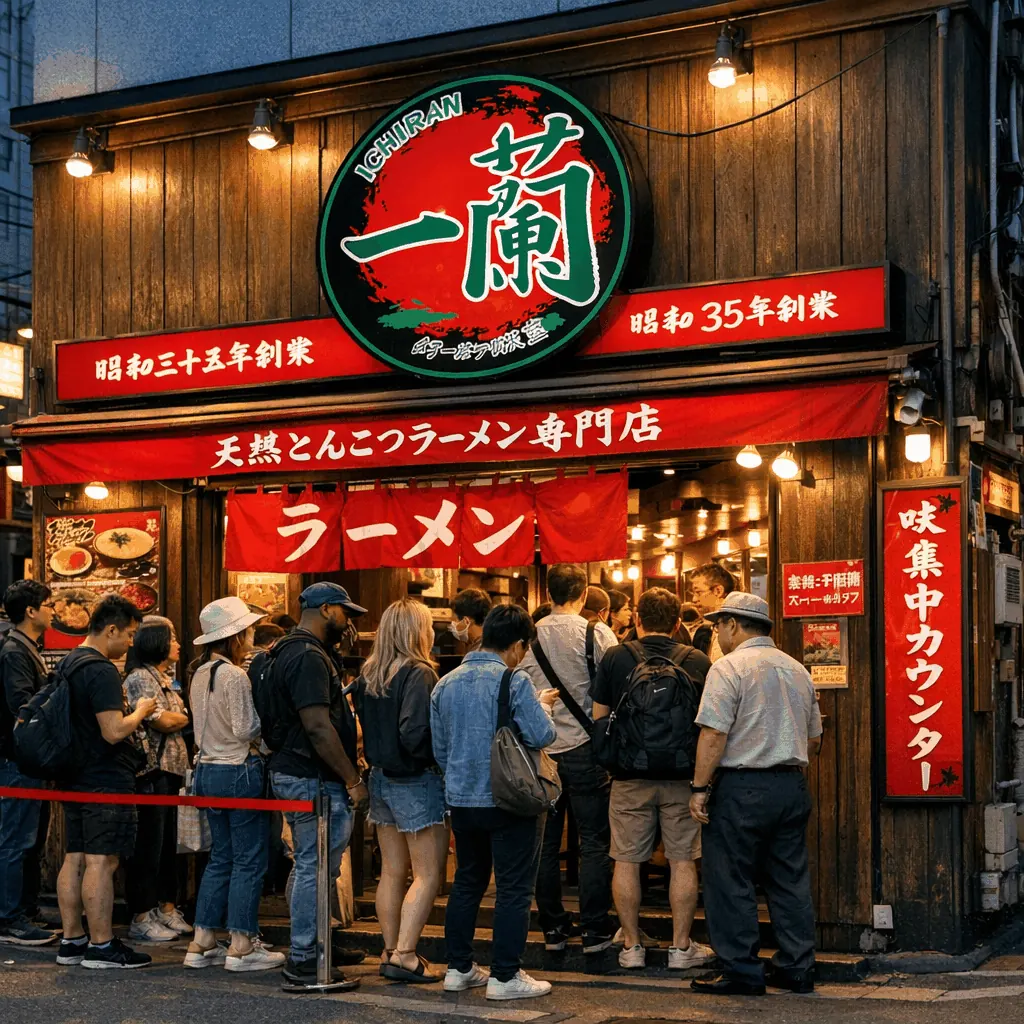
There are clear limits: many Tokyo kitchens (ramen shops, izakaya, bakeries, tempura places) use wheat extensively in broths, soy sauce, batter and shared fryers, raising cross‑contact risk. For guests with celiac disease, this is a medical issue—not just a taste preference—and concierges should treat it accordingly [5]. Even when a menu lists no wheat, cross‑contact can occur in the kitchen, so concierges should seek dedicated gluten‑free menu items or restaurants that explicitly state safe preparation procedures [2][5].
Practical tips for guests working with a concierge
Provide precise information: state whether this is celiac disease, wheat allergy, or gluten sensitivity. Medical severity changes the level of verification needed [5].
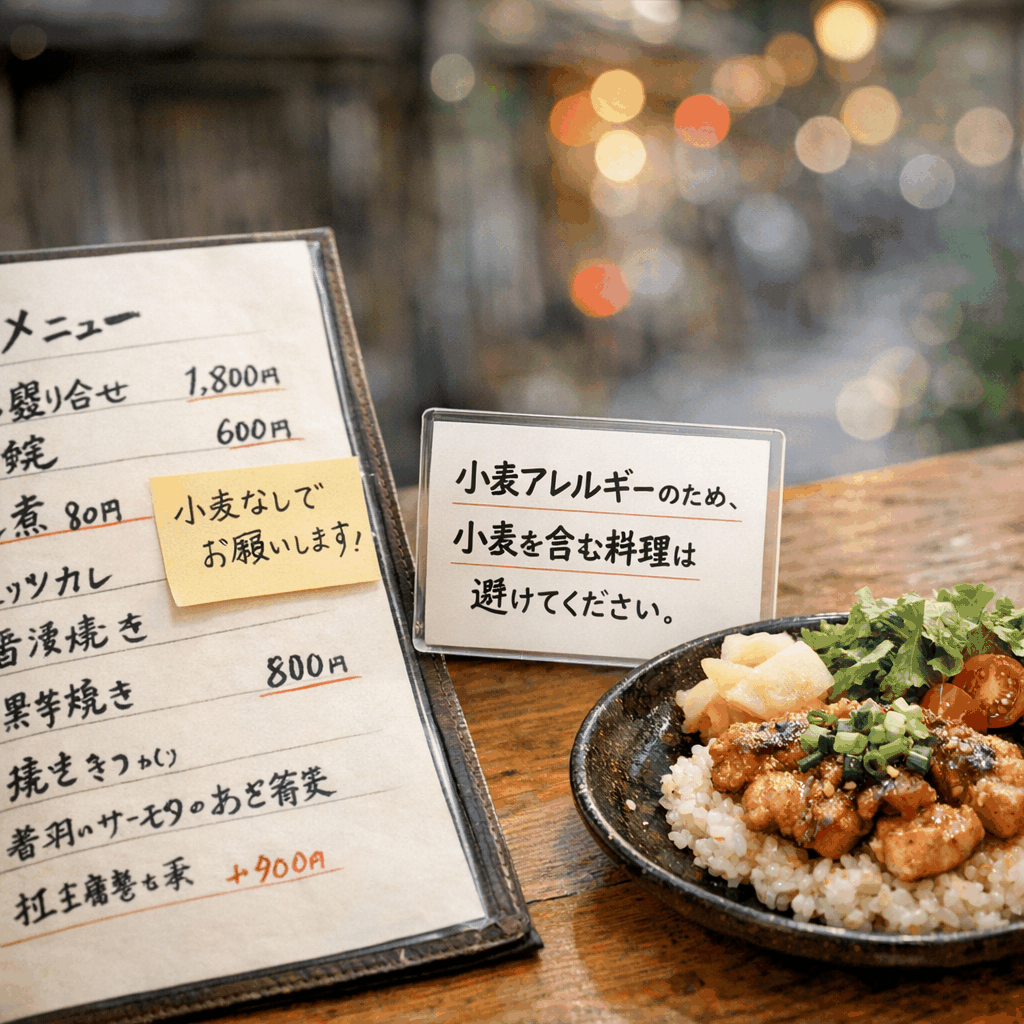
Give a Japanese allergy card to the concierge to present during phone calls and at the restaurant — for example: 「セリアック病です。小麦を含まない料理をお願いします。」(I have celiac disease. Please avoid wheat.) A clear Japanese sentence greatly improves accuracy.
Ask the concierge to prioritize dedicated gluten‑free cafés or international restaurants in Shinjuku, Shibuya or Minato found on Gluten Free Japan or high‑rated Tabelog listings, rather than traditional izakaya or ramen stalls [3][4].
Request confirmation about separate utensils, non‑shared oil/fryers, and whether soy sauce (contains wheat) is excluded from the dish; get the restaurant’s response in writing or recorded confirmation where possible.
Where concierges should escalate for specialist help
For severe allergies or confirmed celiac disease, concierges should contact specialist resources: local patient groups and advocacy directories on Gluten Free Japan can point to vetted eateries and community support in Tokyo [4]. For medical advice on risk and cross‑contact, medical literature and local clinicians familiar with celiac disease should be consulted; PubMed contains reviews on celiac disease management relevant to travel and cross‑contact risks [5]. Concierge teams at international hotels in Tokyo often have standardized protocols and can coordinate with medical contacts if needed [1].
Quick concierge checklist for arranging a gluten‑free meal in Tokyo
Identify whether this is celiac disease or a preference; adjust verification accordingly [5].
Use Tabelog and Gluten Free Japan to find candidate venues, focusing on Shinjuku, Shibuya, Minato and other central wards [3][4][1].
Call the restaurant in Japanese, show an allergy card (小麦), and ask about separate preparation and utensils [2].
Prefer restaurants that explicitly state gluten‑free options or have dedicated gluten‑free menus over ad‑hoc accommodations [4].
If uncertainty remains, choose a vetted gluten‑free café or international restaurant rather than a traditional shop with high wheat use.
In sum, concierges in Tokyo are often able to find gluten‑free dining when they use the right tools (Tabelog, Gluten Free Japan, Go Tokyo), verify with Japanese‑language calls, and escalate to medical resources when celiac disease is involved. However, cross‑contact risks in many traditional kitchens mean that clear communication and conservative choices remain essential [1][2][3][4][5].
How CallButler Can Help
CallButler is a multilingual concierge service that handles research, coordination, and bookings so you do not have to navigate language barriers or unfamiliar systems alone. If you need help related to Can a concierge find gluten free restaurants in Tokyo? or the tasks around it, our team can step in to manage the details and keep things moving smoothly.