What are the best snacks and route at Asakusa Sensoji in Tokyo?

Article overview: What are the best snacks and route at Asa…

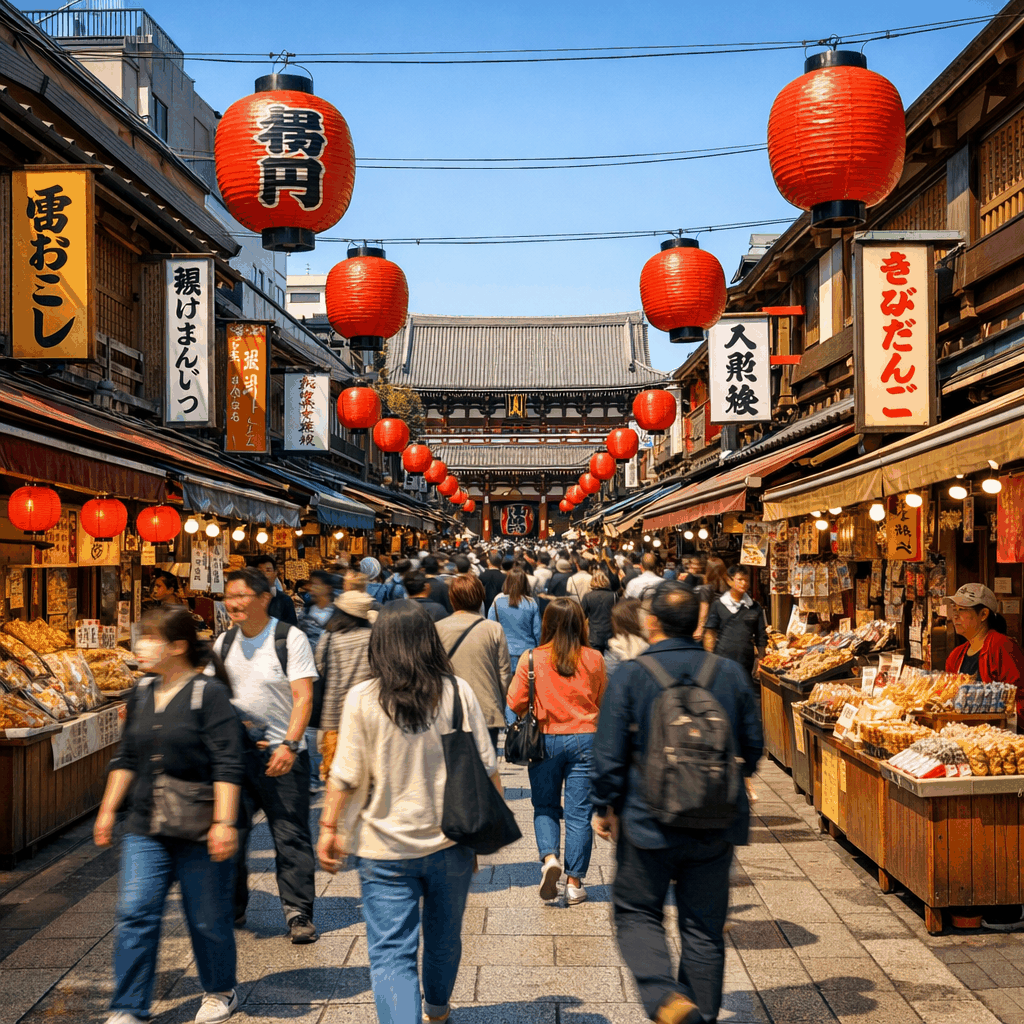
Kaminarimon gate and Nakamise-dori approach with lantern

Yes — the best snacks around Asakusa Sensoji are the classic street treats you can eat while walking (ningyo-yaki, freshly grilled senbei, age-manju, melonpan and taiyaki), and the ideal route is to start at Kaminarimon, walk Nakamise-dori toward Hozomon and the main hall, then explore the side alleys and the Asakusa Culture Tourist Information Center rooftop before heading to Sumida Park for views of Sensoji with Tokyo Skytree across the river [4][2][3]. This post gives concrete snack stops, a step-by-step walking route, and practical timing and payment tips for Asakusa (Tokyo).

Why Sensoji & Nakamise are must-visit

Sensoji is Tokyo’s oldest temple and a focal point for Asakusa tourism; its official site describes the temple precinct and main hall as the core visit area [1]. The pedestrian approach, Nakamise-dori, is a short street lined with roughly 80–90 small shops selling snacks, souvenirs and sweets — it’s the main place to sample classic Asakusa street food while walking toward the Hozomon gate and Sensoji main hall [2]. The mix of freshly made snacks and traditional sweets in a compact area makes Asakusa uniquely food-focused for a short visit [4].
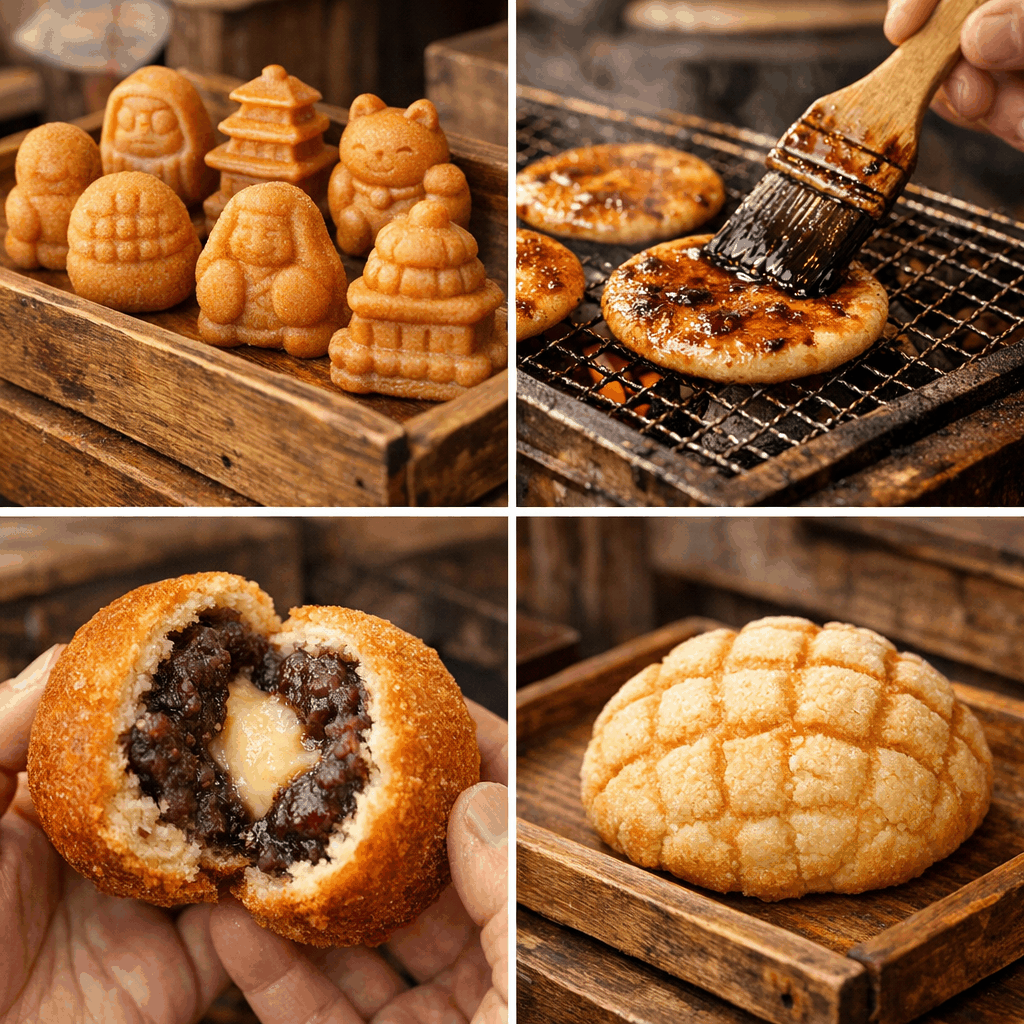
Signature Asakusa snacks to try (what they are and where to find them)

  • Ningyo-yaki — small, cake-like buns filled with sweet azuki bean paste (or custard in some shops). These are sold at multiple stalls along Nakamise-dori and near the temple approach; they are bite-sized and made to eat on the go [4][2].
  • Senbei — grilled rice crackers (often brushed with soy sauce). Look for open grills on Nakamise and side lanes where vendors toast senbei to order — they’re crunchy, salty, and quick to pick up [4].
  • Age-manju — deep-fried sweet buns with red-bean filling; typically sold at stalls around the temple and on Denboin-dori side lanes. These are hot, sweet, and a popular winter snack [4].
  • Melonpan & Taiyaki — melonpan (sweet bun with a cookie crust) and taiyaki (fish-shaped cake filled with azuki or custard) appear at several stalls and small shops in the Nakamise area and nearby side streets [4].
  • Other quick items — skewered dango, sweet potato treats, and seasonal variations appear at dedicated stands along Nakamise and in the shopping lanes around Sensoji [4][2].

Step-by-step walking route: Kaminarimon → Nakamise → Sensoji →...

  1. Start at Kaminarimon (Thunder Gate): take photos of the giant lantern and begin walking down Nakamise-dori toward Hozomon and the Sensoji main hall [2][1].
  2. Walk Nakamise-dori (main shopping street): move slowly and sample — pick one or two items (e.g., ningyo-yaki and a freshly grilled senbei) so you can try multiple flavors without filling up. Nakamise has roughly 80–90 shops clustered along this approach [2][4].
  3. Arrive at Sensoji main hall: pause to view the worship area (respect local customs) and then turn into the side alleys such as the small lanes off Nakamise and Denboin-dori to find smaller vendors and specialty stalls [1][2].
  4. Climb the Asakusa Culture Tourist Information Center rooftop for a framed view down Nakamise toward Sensoji and for a clear perspective that lines up the temple and the shopping street — a recommended short viewpoint stop [3].
  5. Optionally continue east toward Sumida Park along the river for a broader view of Sensoji with Tokyo Skytree across the water, or walk north to Kappabashi for kitchen goods and more food shopping [3][2].
View from Asakusa Culture Tourist Information Center rooftop showing Sensoji and Tokyo Skytree

Timing and crowd tips (when to go)

To avoid the largest crowds, aim for early morning on weekdays — arrive around when shops open or shortly after — or late afternoon on a weekday; weekends, national holidays, and festival days (notably Sanja Matsuri in May) draw heavy crowds and can make snack lines and movement slow [2][3]. If you want photos of Nakamise without many people, the Asakusa Culture Tourist Information Center rooftop also provides an elevated, less-crowded vantage point [3].

Practical tips: payments, dietary/allergen notes, and festival...

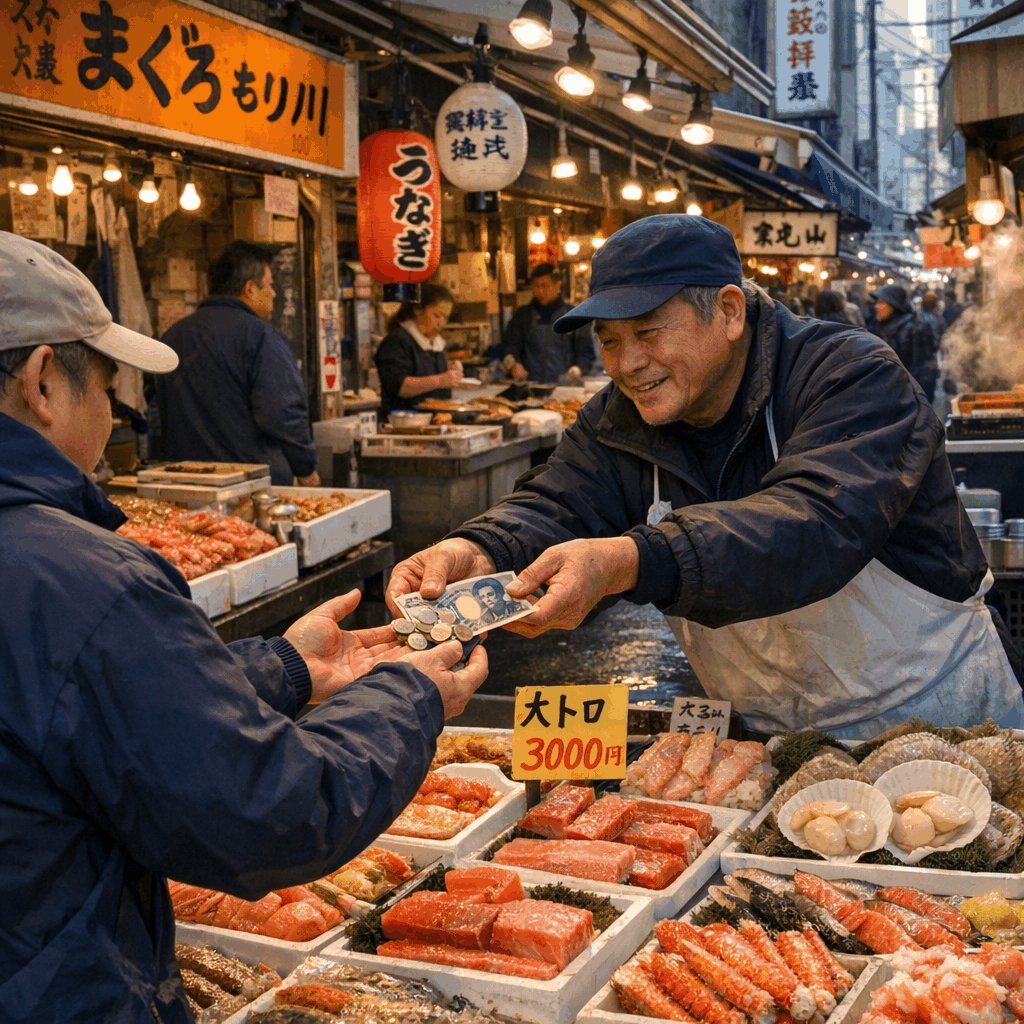
  • Payments: many small stalls are cash-first. While larger shops and some modern vendors accept cards or mobile pay, bring yen coins and small bills for quick snack purchases at stalls [4].
  • Allergens & dietary notes: common ingredients include wheat, egg, dairy and sweetened red bean (azuki). Vegetarian and vegan options exist but are limited; always ask vendors or check ingredient signs if you have allergies or strict diets [4].
  • Festival days: during events like Sanja Matsuri the whole neighborhood fills with festival-goers, and access down Nakamise and into the temple precinct can be restricted; consult official Sensoji or Go Tokyo notices for event dates before planning [1][3].

Sample 1-hour and 2-hour routes with snack stops

  1. 1-hour (short, sample-focused) — Start at Kaminarimon, walk Nakamise and pick 2 quick snacks (e.g., grilled senbei + ningyo-yaki) while watching vendors (30–35 minutes); brief visit to Sensoji main hall (10–15 minutes); rooftop view at the Asakusa Culture Tourist Information Center if time allows (10–15 minutes) [2][4][3].
  2. 2-hour (relaxed tasting walk) — Kaminarimon start and slow walk down Nakamise stopping at 3–4 stalls (ningyo-yaki, taiyaki, age-manju, melonpan) to sample tastes (45–60 minutes); explore Denboin-dori and side alleys for specialty stalls (20 minutes); Sensoji main hall and incense area (15 minutes); Riverfront at Sumida Park for photos of Sensoji with Skytree and a final snack or drink (15–20 minutes) [4][2][3].

Stick to small portions so you can try more items, carry cash for quick purchases, and use the Asakusa Culture Tourist Information Center rooftop and Sumida Park for the best photo viewpoints combining Sensoji and Tokyo Skytree [3][4].

How CallButler Can Help

CallButler is a multilingual concierge service that handles research, coordination, and bookings so you do not have to navigate language barriers or unfamiliar systems alone. If you need help related to What are the best snacks and route at Asakusa Sensoji in Tokyo? or the tasks around it, our team can step in to manage the details and keep things moving smoothly.

Sources

  1. Senso-ji (official site, Japanese)
  2. Asakusa (Japan Guide)
  3. Asakusa (GO TOKYO — Tokyo Official Tourism Guide)
  4. Best Asakusa street food and snacks (Tokyo Cheapo)