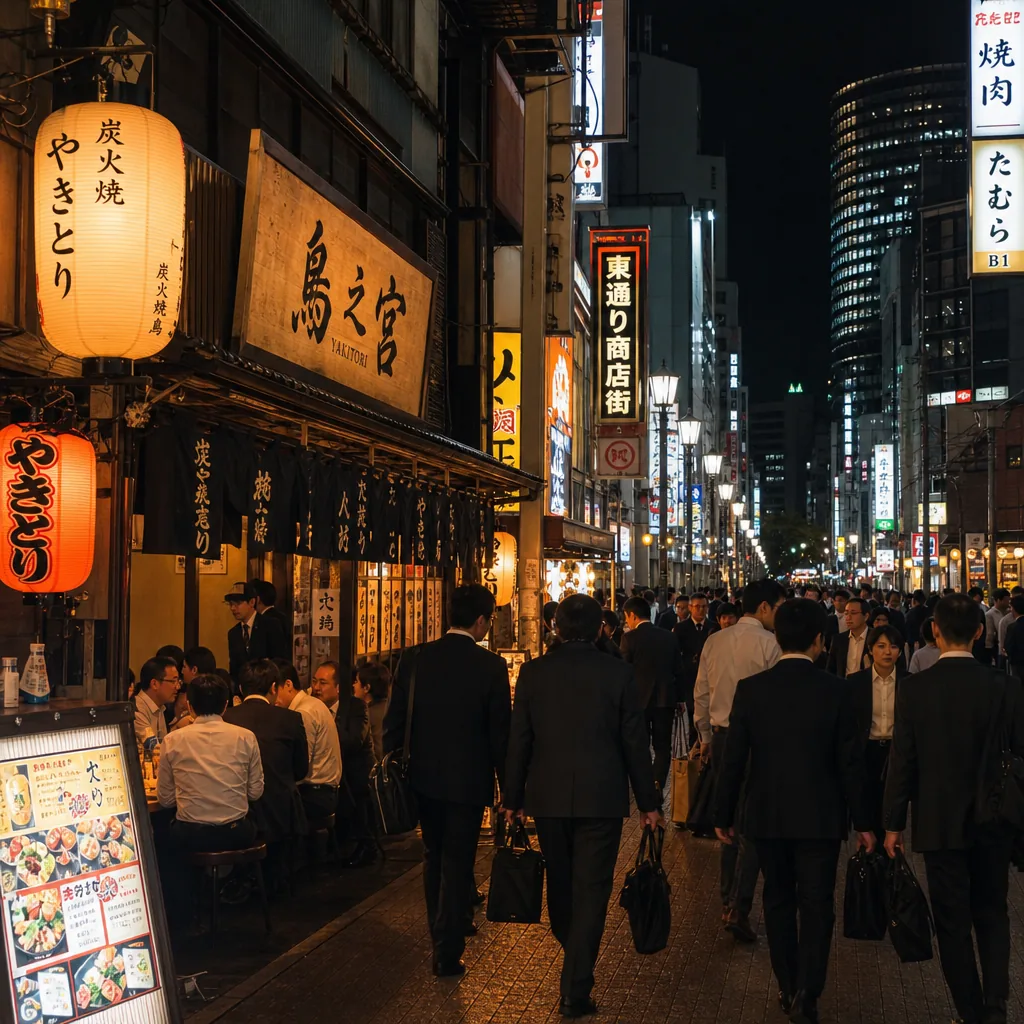
Where can I find english-friendly yakitori in Osaka after work?
Find English-friendly yakitori in Osaka after work by targeting Umeda, Namba, and Honmachi, plus booking sites and multilingual menus.
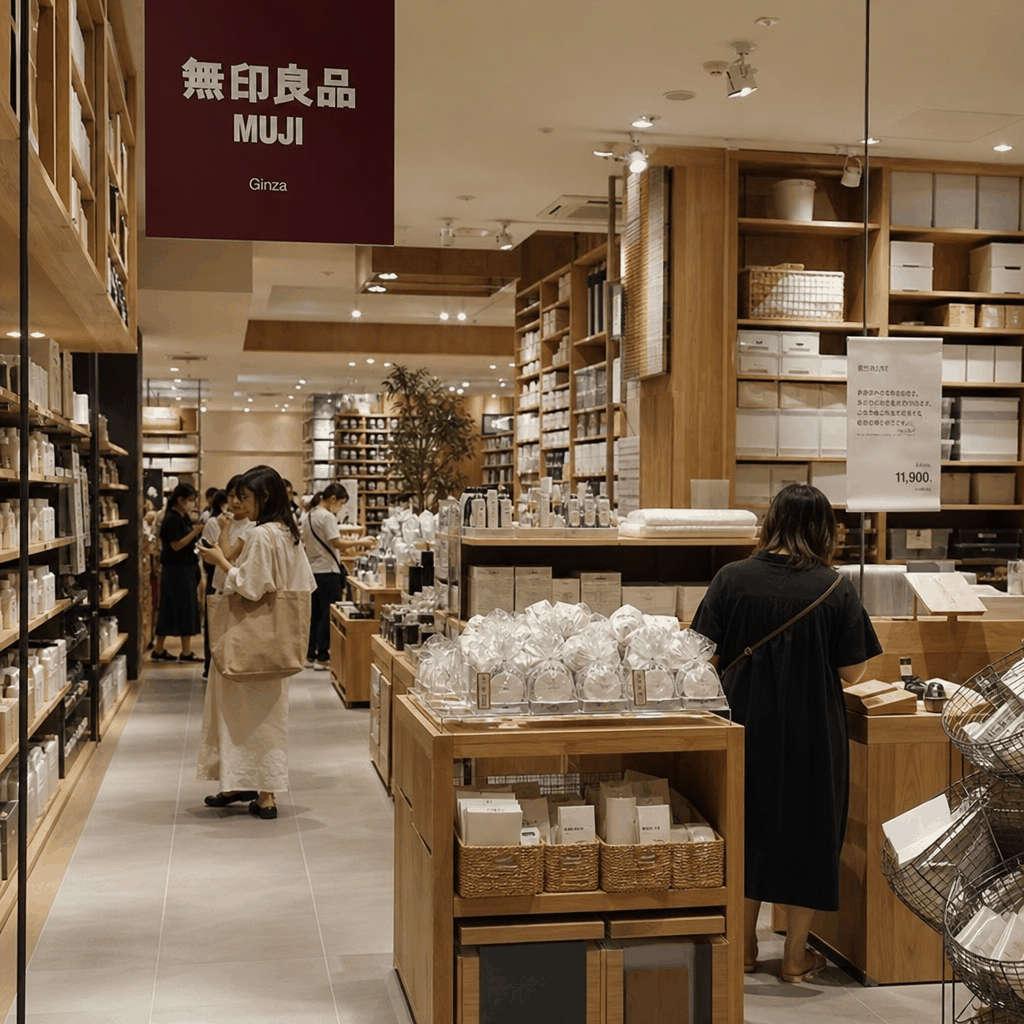
MUJI Ginza is worth a stop if you want a compact Tokyo experience of shopping, design, and a simple meal in one building. Yes—if you are in Ginza, you should see the flagship retail floors, eat at Café&Meal MUJI, and, if relevant, consider MUJI Hotel Ginza because the whole complex is built around MUJI’s “no-brand” everyday-life concept [1][2][3].
MUJI Ginza is MUJI’s flagship complex in Tokyo’s Ginza district, and MUJI describes it as a store, hotel, and food destination under one roof [1][2]. That matters because the visit is not just about buying notebooks or towels; it is also a curated look at how MUJI presents Japanese daily life through materials, layout, and product selection [1].
For first-time visitors, think of it as a flagship showroom for the brand’s identity. MUJI’s official store page emphasizes its wide assortment of everyday goods, while the hotel page shows how the same minimalist design language extends into overnight stays [1][2].
The main thing to see is how the store is organized to showcase MUJI’s core idea: useful, understated goods with a focus on function and natural materials [1]. Rather than overwhelming you with flashy displays, the Ginza location is meant to let you browse categories in a calm, easy-to-understand way.
Look for these parts of the experience:
Because the shop sits in Ginza, you can also compare MUJI’s restrained aesthetic with the neighborhood’s more luxury-driven retail streets just outside the building [4][5].
If you want a straightforward meal, head to Café&Meal MUJI. MUJI’s official site describes the concept as simple, Japanese-style home cooking with seasonal changes and balanced dishes [3]. In practice, that usually means a meal that feels practical rather than indulgent: rice, vegetables, protein, and side dishes assembled in a clean, cafeteria-style setting [3].
The appeal is not complicated food; it is dependable food that fits the MUJI philosophy. For travelers spending a full day in central Tokyo, this is a convenient break from heavier restaurant meals and a good way to sample a lighter Japanese set meal without leaving Ginza [3][5].
When planning your visit, keep these points in mind:
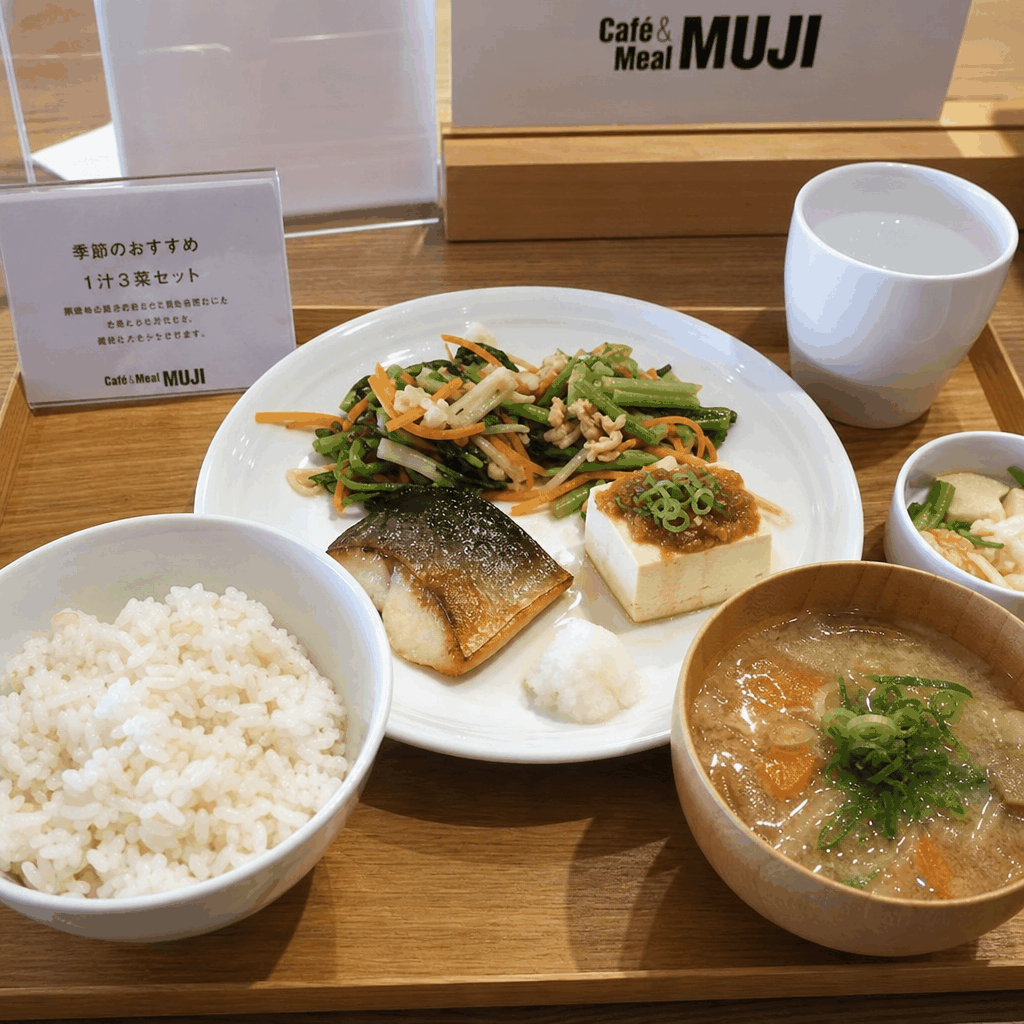
For a practical Tokyo itinerary, MUJI Ginza works well as a lunch stop between errands or sightseeing, especially if you want a meal that is easy to understand even if you do not read Japanese menus well [3][5].
MUJI Hotel Ginza is part of the same Ginza complex and extends MUJI’s brand into accommodation [2]. The hotel is not a separate afterthought; it is designed to match the store’s focus on simplicity, function, and everyday comfort [2].
If you stay there, you get a fuller sense of the brand than you do from shopping alone. MUJI’s hotel page presents it as a place where the brand’s design ideas carry into the guest rooms and common spaces [2]. For visitors interested in Japanese design, that makes the hotel relevant even if you only plan to look at it from a visitor’s perspective [2].
In practical terms, the hotel is best for travelers who want to stay in Ginza and keep their logistics simple. The appeal is less about luxury and more about consistency: the same calm, minimal approach you see in the store continues upstairs [2].
To get the most out of MUJI Ginza, visit with a plan. Ginza is busy, and MUJI’s appeal is strongest when you combine browsing, eating, and neighborhood walking into one short trip [4][5].
If you are a traveler who likes efficient stops, MUJI Ginza is easy to fit into a half-day route. If you are more interested in Japanese retail culture, it is also a strong example of how a brand can turn everyday objects into a coherent experience [1][4].
MUJI Ginza is especially useful because it sits in one of Tokyo’s most walkable central districts. The Tokyo Convention & Visitors Bureau describes Ginza as a major shopping and dining area in central Tokyo, and the Ginza tourism guide highlights its broad retail and city-walking appeal [4][5].
That means you can build a simple route around MUJI without spending much time on transit. A practical half-day plan could look like this:
Named Ginza landmarks and references to keep in mind include MUJI Ginza itself, MUJI Hotel Ginza, and Café&Meal MUJI inside the same complex [1][2][3]. For a broader neighborhood visit, the official Ginza tourism resources and Tokyo’s visitor guide both position the area as an easy central-Tokyo base for shopping and strolling [4][5].
So, what should you see and eat at MUJI Ginza? See the flagship store as a live expression of MUJI’s design philosophy, eat at Café&Meal MUJI for a seasonal Japanese home-style meal, and treat MUJI Hotel Ginza as the final layer of the same concept if you want to stay overnight [1][2][3].
CallButler is a multilingual concierge service that handles research, coordination, and bookings so you do not have to navigate language barriers or unfamiliar systems alone. If you need help related to What should I see and eat at Muji Ginza in Tokyo? or the tasks around it, our team can step in to manage the details and keep things moving smoothly.
Find English-friendly yakitori in Osaka after work by targeting Umeda, Namba, and Honmachi, plus booking sites and multilingual menus.
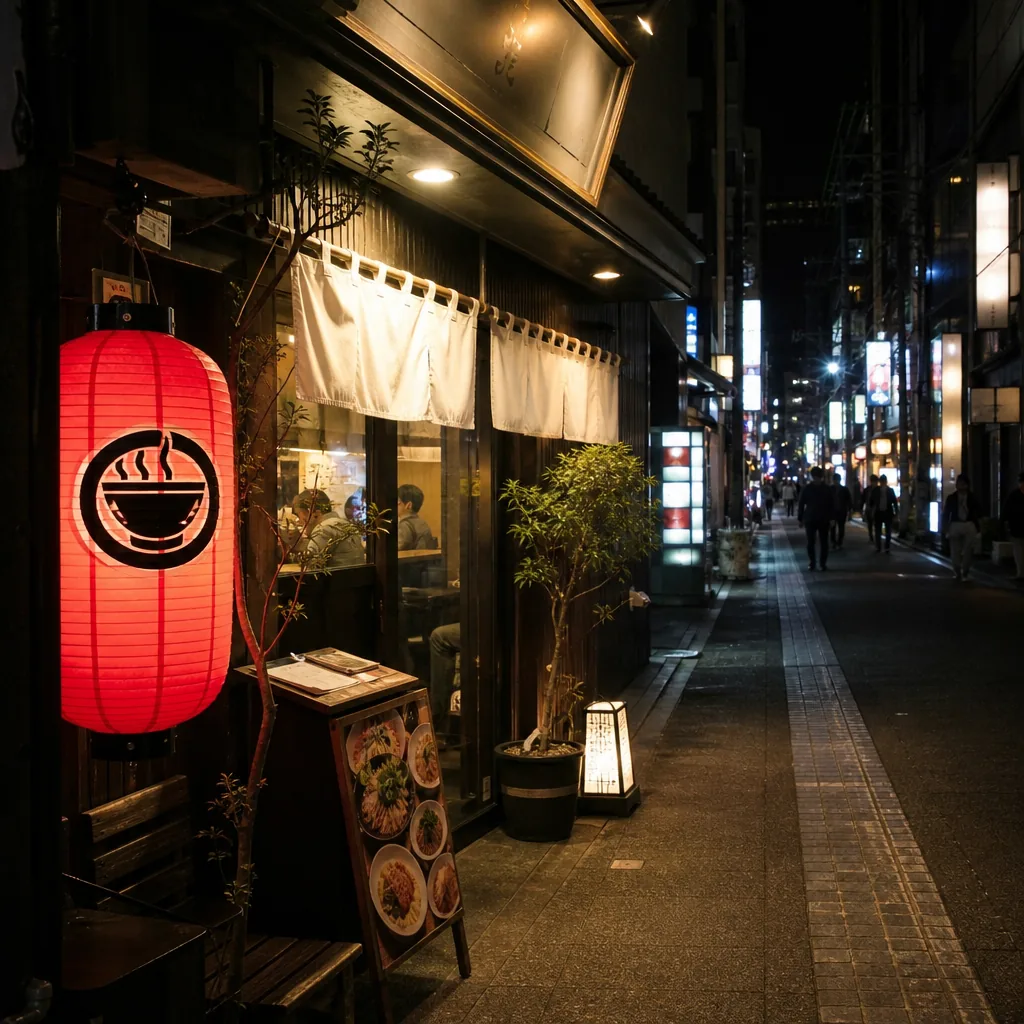
Looking for halal ramen in Kyoto after 10 p.m.? Here’s where to check, which areas are most practical, and how to verify hours and halal status.
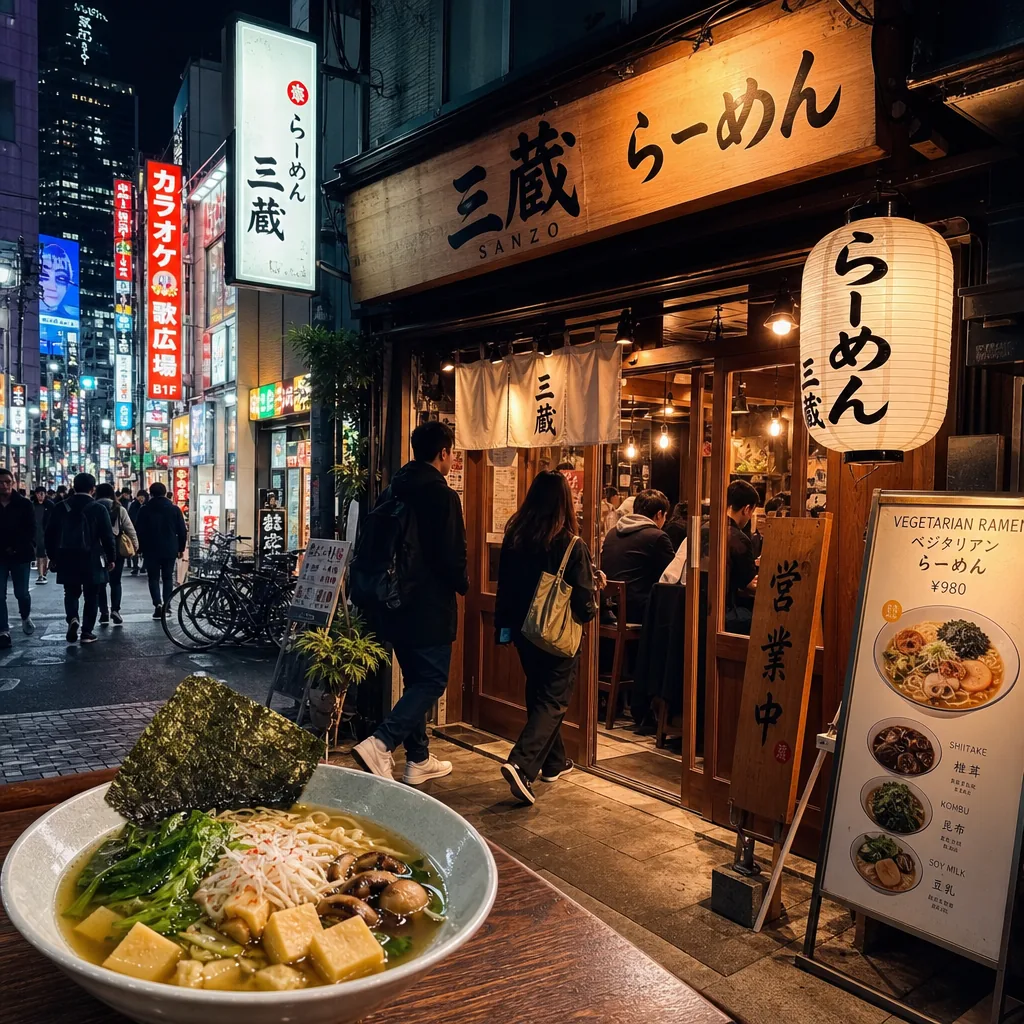
Find late-night vegetarian ramen in Tokyo by focusing on Shibuya, Shinjuku, and Roppongi, then verify broth, hours, and vegan menu details.