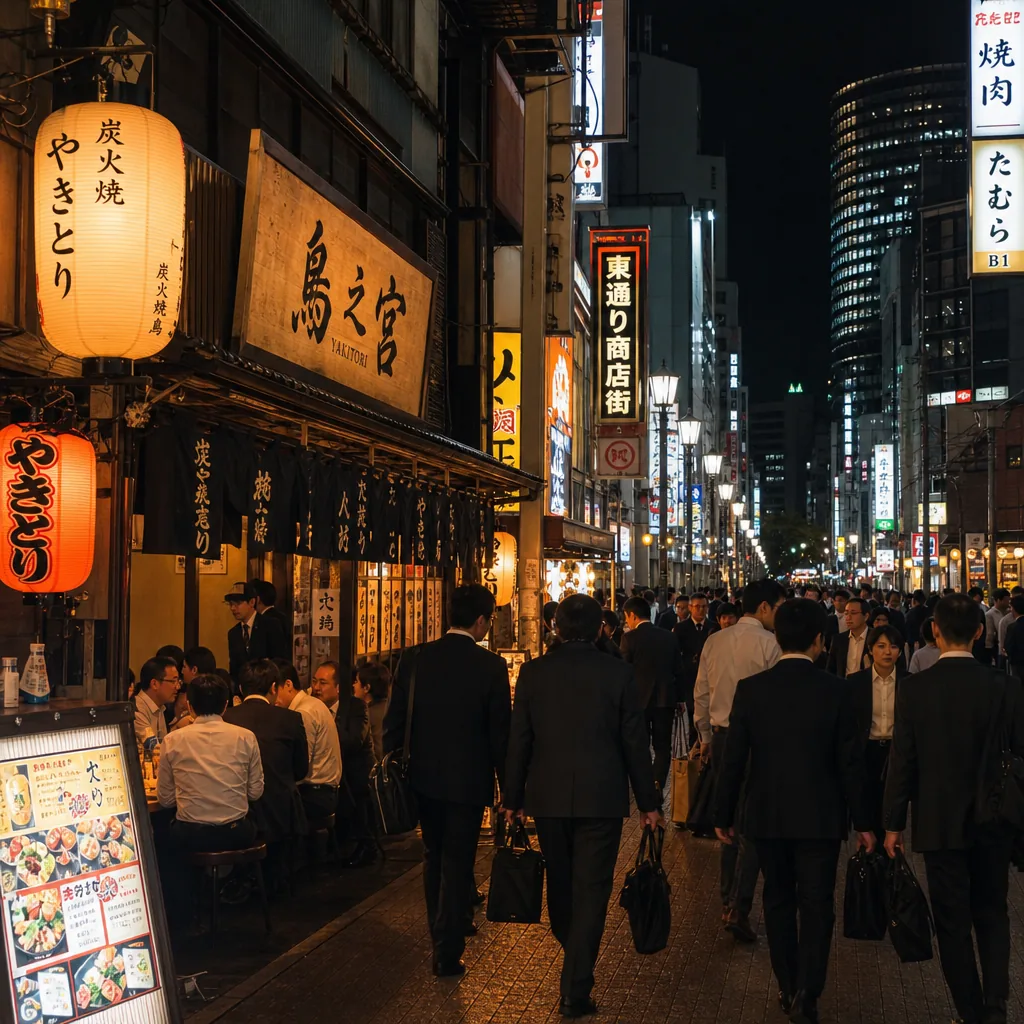
Where can I find english-friendly yakitori in Osaka after work?
Find English-friendly yakitori in Osaka after work by targeting Umeda, Namba, and Honmachi, plus booking sites and multilingual menus.
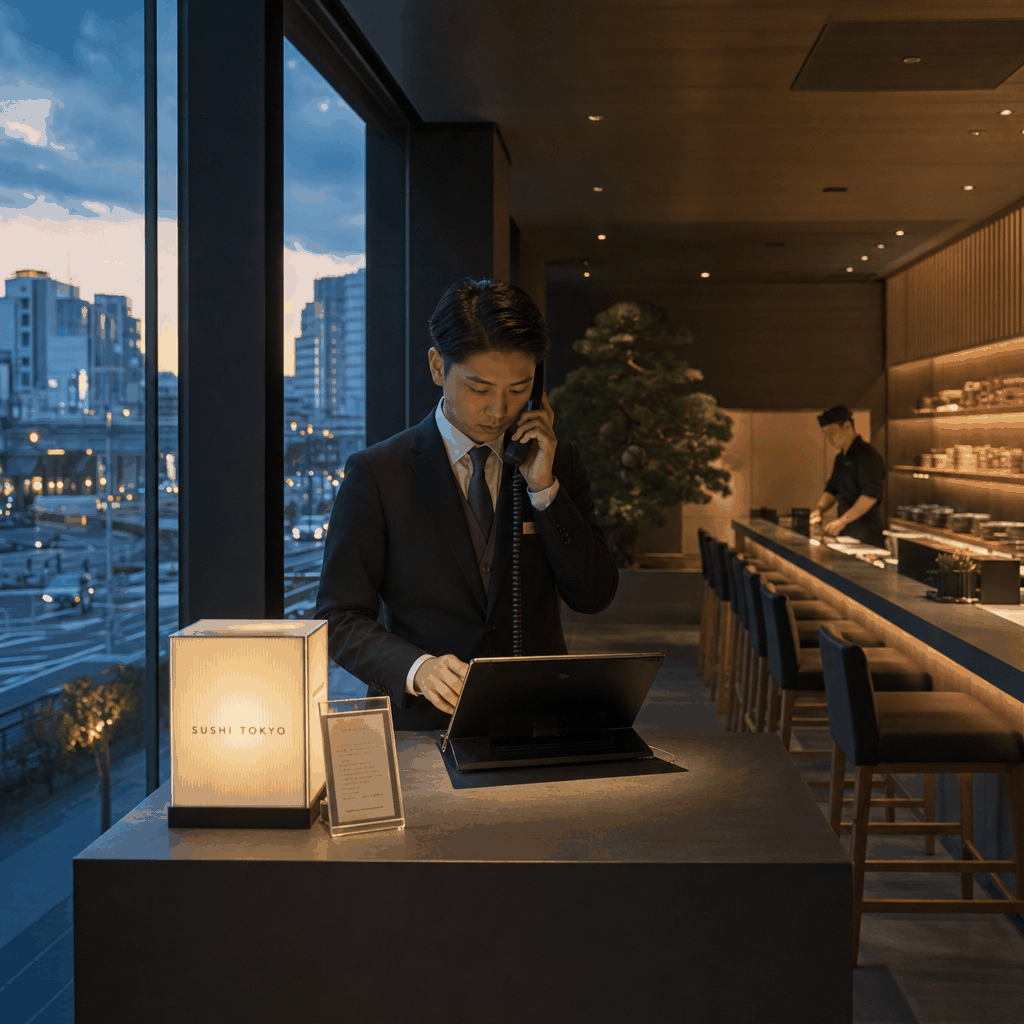
Yes, a concierge can sometimes secure last-minute sushi omakase in Tokyo, but it is far from guaranteed. The best odds come when the restaurant accepts real-time online bookings, has a same-day cancellation, or is less in demand than the city’s hardest-to-book counters [1][2][5].
Tokyo’s sushi scene runs heavily on advance reservations, especially at small counter-style omakase restaurants where seating is limited. Reservation platforms such as TableCheck and OMAKASE show live availability for participating restaurants, which makes them useful for checking openings without waiting for email back-and-forth [1][2].
At the same time, many restaurants still rely on phone reservations, and some may prefer or require direct contact rather than a third-party booking flow [5]. That means the practical answer to “Can a concierge help?” is yes—if the concierge can move quickly, check both online and by phone, and do so during Tokyo business hours [5].
A concierge is most useful when the goal is not one exact restaurant, but a sushi omakase experience in a specific price range, neighborhood, or time window. In Tokyo, the staff can search live reservation systems, call restaurants directly, and ask about cancellations or waitlist options [1][2][5].
This matters because a great deal of last-minute success comes from speed and flexibility. If a concierge contacts a restaurant the same day, asks for lunch instead of dinner, or suggests a nearby alternative in the same ward, the chances of finding a seat improve [5].
In practice, a concierge is most likely to succeed when they can:
Not every sushi counter in Tokyo behaves the same way. The hardest-to-book omakase spots tend to be small, famous, and booked far ahead, while larger restaurants or less internationally known venues are more likely to have short-notice availability [5].
For example, restaurants in busy dining districts such as Ginza, Shibuya, and Nihonbashi may still have openings if they operate multiple seating times or larger inventories than intimate counters. Tokyo also has many reservation-friendly restaurants across the city listed on tourism resources such as the Tokyo Metropolitan Government’s official visitor site, which is useful for identifying neighborhoods and dining areas before you start calling [3].
Lunch service is often a better bet than dinner. Even when dinner omakase is booked out, a lunch counter may have a different seating pattern or a lower price point, which can make a same-day table more realistic [5]. The Japan National Tourism Organization also notes that dining in Japan often involves advance planning, so travelers should expect limited spontaneity at high-demand restaurants [4].
The biggest obstacle is seat inventory. If a sushi restaurant has only a handful of counter seats and they are already booked, no amount of persistence can create a reservation. Last-minute openings usually come from cancellations, unfinished reservation releases, or unused lunch seats, which means the supply is unpredictable [1][2][5].
Timing also matters. Restaurants typically take reservations during business hours, so a concierge trying to book late at night may need to wait until the next opening window. Tokyo’s dining culture rewards fast action, but it still runs on the restaurant’s schedule [5].
Language can be a real advantage. A concierge who can speak Japanese may communicate more smoothly over the phone, especially with restaurants that do not use English-language booking pages [5]. If you are booking for yourself, do not assume that every restaurant will respond to email quickly; direct phone contact is still common in Japan [5].
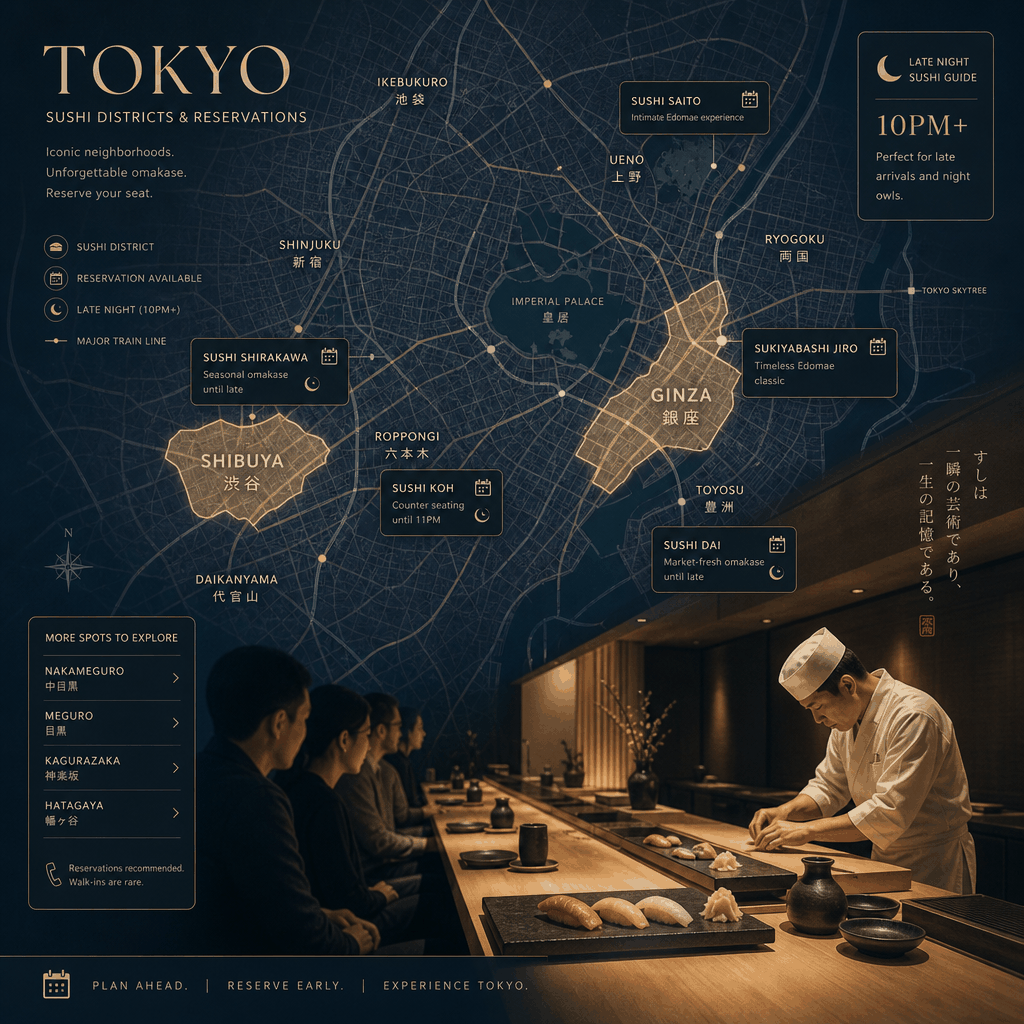
If you want a concierge to maximize your odds, give them a narrow brief with room for substitutions. The more specific you are about cuisine and price, the easier it is for the concierge to search, but the more flexible you are about exact restaurant, neighborhood, and time, the better the result will usually be [5].
Here are the most effective tactics:
If you are working with a hotel concierge or travel assistant, ask them to keep trying after the first “no.” Cancellations happen, and in Tokyo those openings may appear suddenly on reservation platforms or through a quick phone call [1][2][5].
It also helps to understand that the city’s famous sushi restaurants are not the only worthwhile options. Tokyo has a deep bench of well-run counters and omakase experiences, and official tourism resources encourage visitors to explore the city’s broader food culture rather than focusing only on the most famous names [3][4]. That broader approach makes a last-minute table much more realistic.
A concierge can absolutely help secure last-minute sushi omakase in Tokyo, but success depends on how open the restaurant is to short-notice bookings and how flexible you are about the details. The winning formula is simple: use real-time platforms, call directly in Japanese when possible, and be ready to accept an alternative time or neighborhood [1][2][5].
If you treat the request as “find me excellent sushi tonight in Tokyo” rather than “book this one impossible counter,” your odds go up considerably. In a city where many restaurants fill early, that flexibility is often what turns a near miss into a seat [4][5].
CallButler is a multilingual concierge service that handles research, coordination, and bookings so you do not have to navigate language barriers or unfamiliar systems alone. If you need help related to Can a concierge secure last-minute sushi omakase in Tokyo? or the tasks around it, our team can step in to manage the details and keep things moving smoothly.
Find English-friendly yakitori in Osaka after work by targeting Umeda, Namba, and Honmachi, plus booking sites and multilingual menus.
Looking for halal ramen in Kyoto after 10 p.m.? Here’s where to check, which areas are most practical, and how to verify hours and halal status.
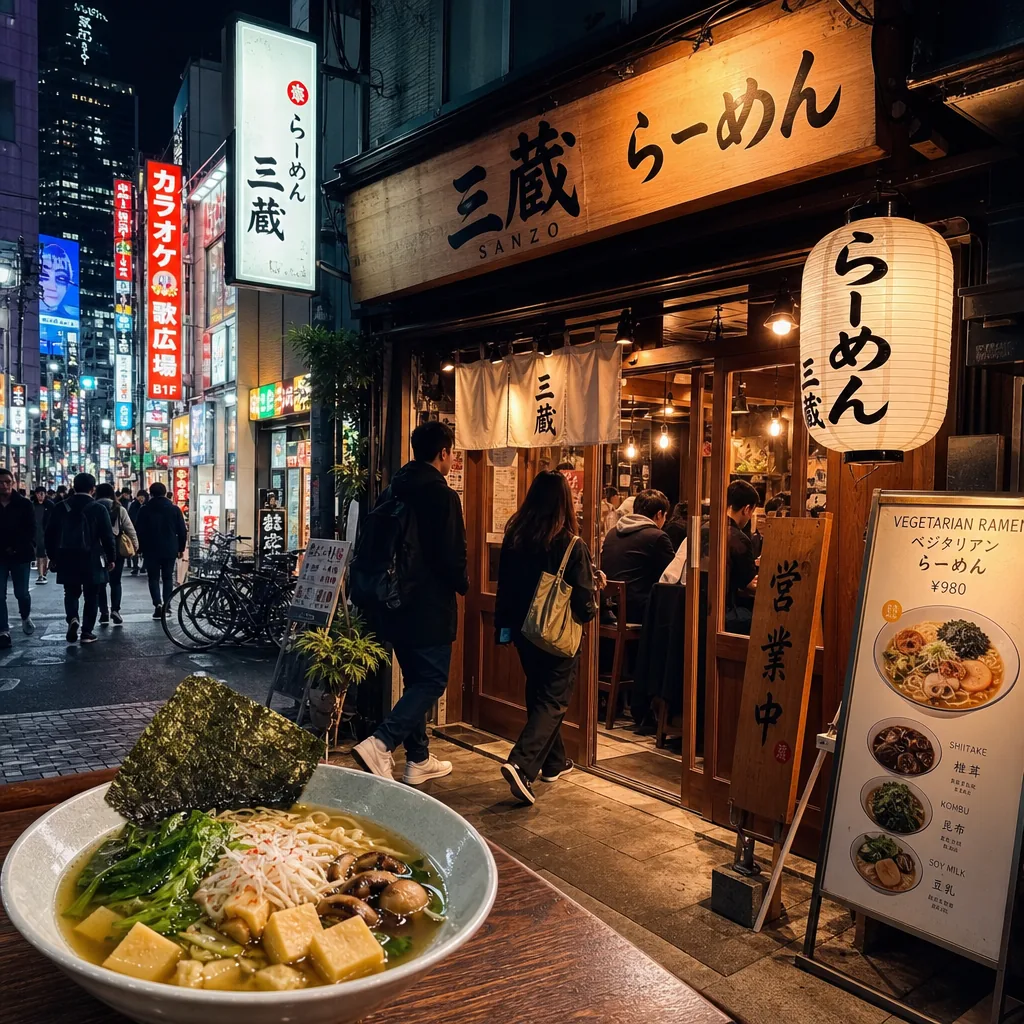
Find late-night vegetarian ramen in Tokyo by focusing on Shibuya, Shinjuku, and Roppongi, then verify broth, hours, and vegan menu details.