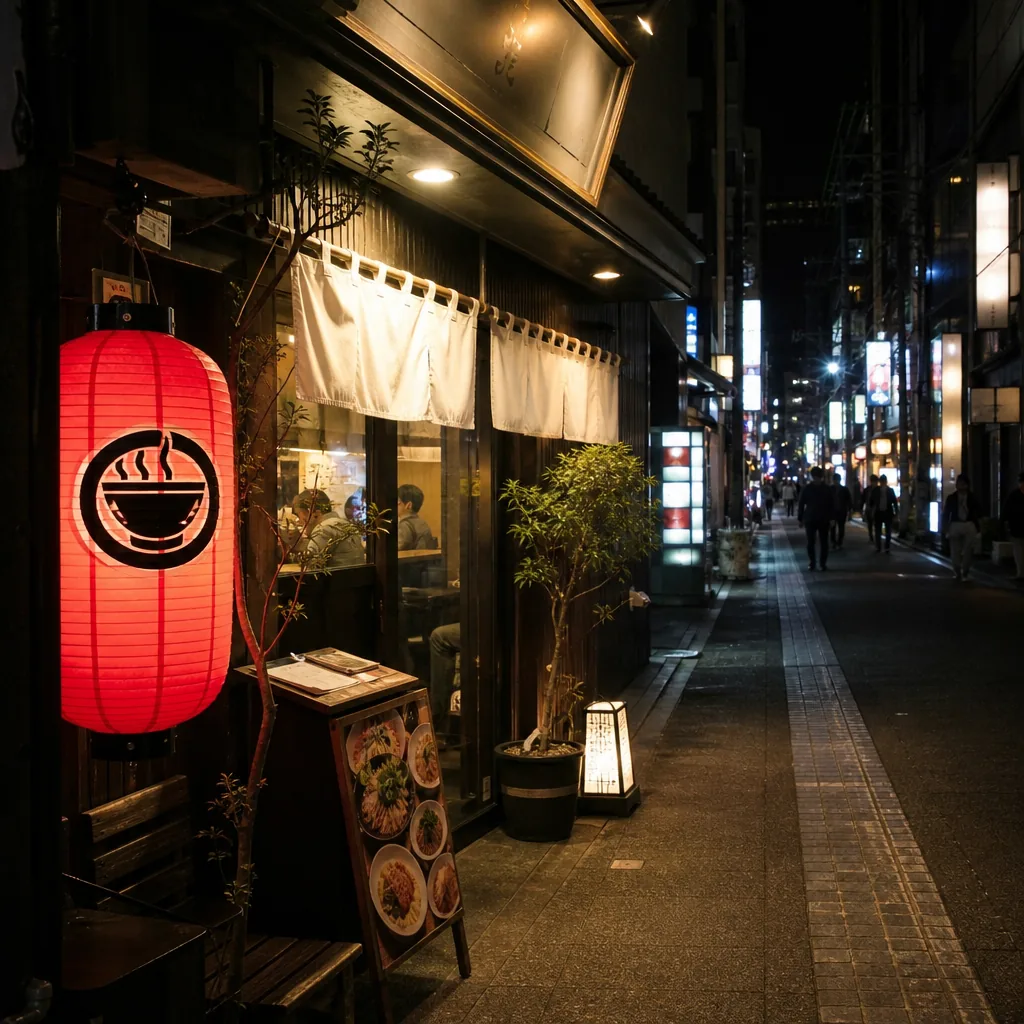
Where can expats find halal ramen in Kyoto after 10 p.m.?
Looking for halal ramen in Kyoto after 10 p.m.? Here’s where to check, which areas are most practical, and how to verify hours and halal status.
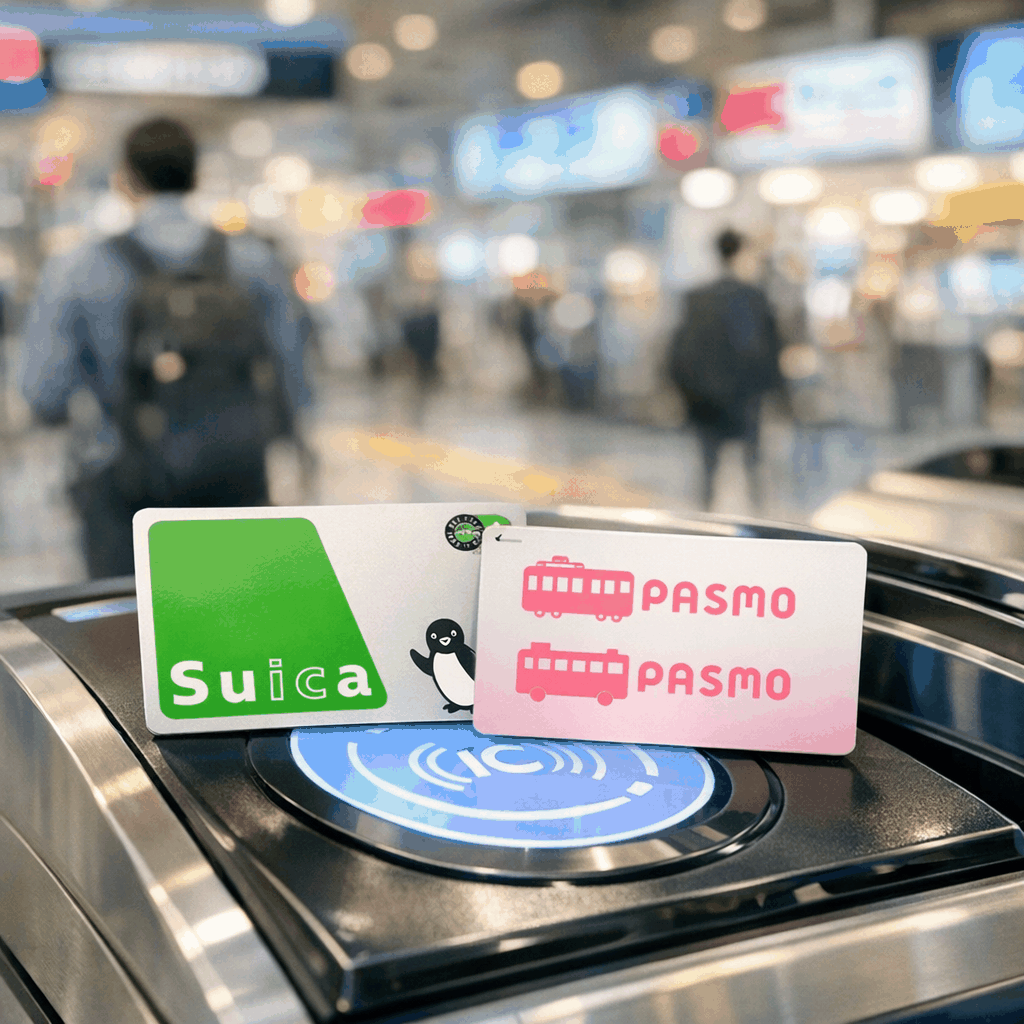
For most Tokyo day trips, buy a rechargeable IC card (Suica or PASMO) for flexible pay-as-you-go travel across JR, subway and buses; if you plan many subway rides in a short window, a Tokyo Subway Ticket (24/48/72-hour) can be cheaper, and for specific destinations outside central Tokyo buy the appropriate regional pass such as Odakyu’s Hakone Freepass or Tobu’s Nikko Pass [3][1][5][6]. Choose by comparing the pass price to the sum of planned fares and whether you want bundled local transport and discounts.
Three practical choices cover most Tokyo day-trip needs:
Buy a Suica or PASMO if your day trip involves a mix of JR, Tokyo Metro, Toei subway and local buses or you want to avoid buying single tickets each time. Suica carries a 500-yen refundable deposit and can be topped up at station ticket machines and counters operated by JR East and other operators [3]. The card works for small purchases at convenience stores and vending machines, saving time during short visits around neighborhoods like Shinjuku and Ueno [3][1].
If your plan is concentrated on subway sightseeing within central Tokyo — for example hopping between Asakusa, Ginza, Shinjuku and Shibuya — the Tokyo Subway Ticket gives unlimited rides on both Tokyo Metro and Toei lines for a fixed period and can be cheaper than repeated single fares [1][2]. Choose the 24-, 48- or 72-hour option depending on how many consecutive days you’ll spend mostly on subways; official Tokyo Metro pages list the ticket types, station coverage and where to buy them in English [1].
For destinations outside central Tokyo, buy a region-specific pass that bundles the longer travel segment plus local transport and discounts:
The JR TOKYO Wide Pass covers multi-day JR East travel around greater Tokyo (useful if you plan multiple day trips farther afield using JR limited-express services). It’s targeted at travelers who will do several long JR trips within its validity window — for single central-Tokyo day trips it usually won’t be cost-effective. Check JR East’s English page for covered stations, validity days and purchase points [4].
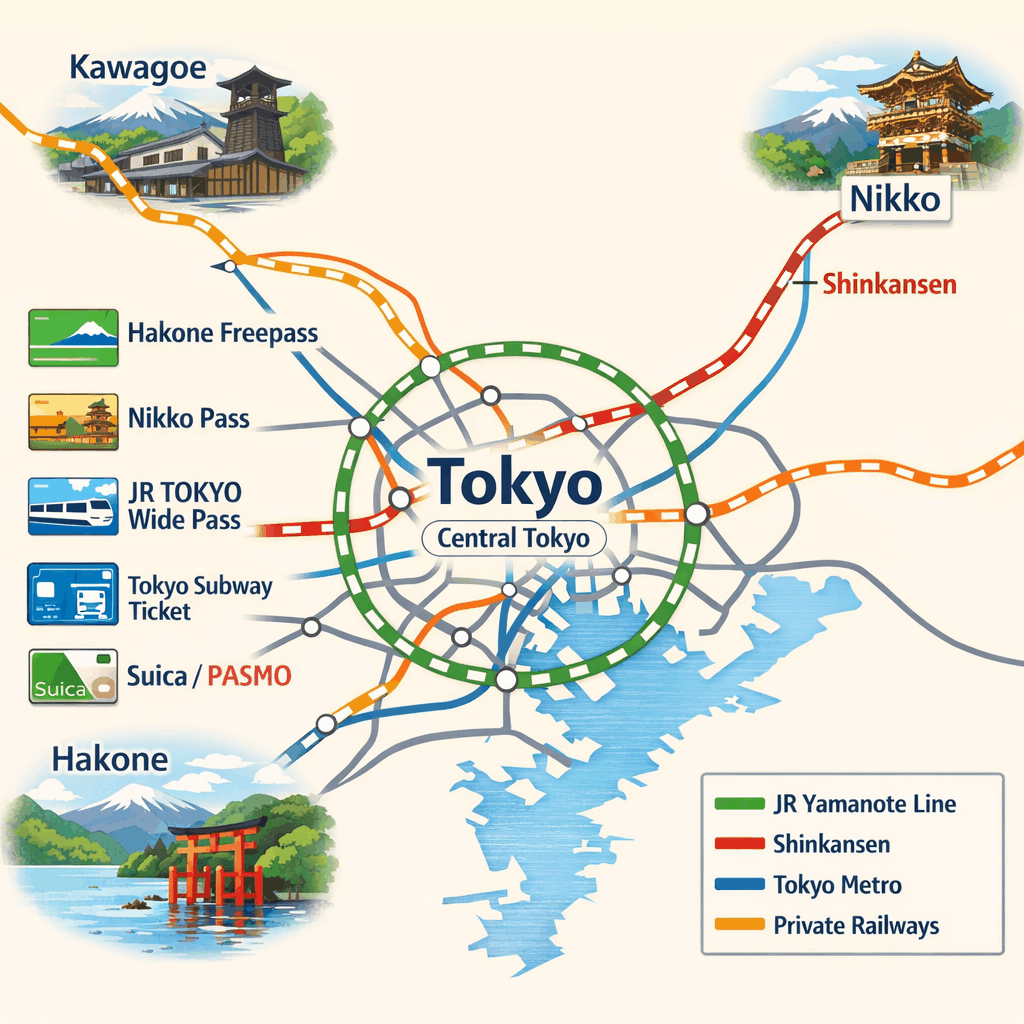
Bottom line: for flexibility inside Tokyo, pick Suica/PASMO; for concentrated subway sightseeing use the Tokyo Subway Ticket; and for day trips that extend beyond central Tokyo (Hakone, Nikko, etc.) buy the regional pass that explicitly lists round-trip travel and local unlimited transport on the official operator page [3][1][5][6].
CallButler is a multilingual concierge service that handles research, coordination, and bookings so you do not have to navigate language barriers or unfamiliar systems alone. If you need help related to Which Japan transportation pass should I buy for Tokyo day trips? or the tasks around it, our team can step in to manage the details and keep things moving smoothly.
Looking for halal ramen in Kyoto after 10 p.m.? Here’s where to check, which areas are most practical, and how to verify hours and halal status.
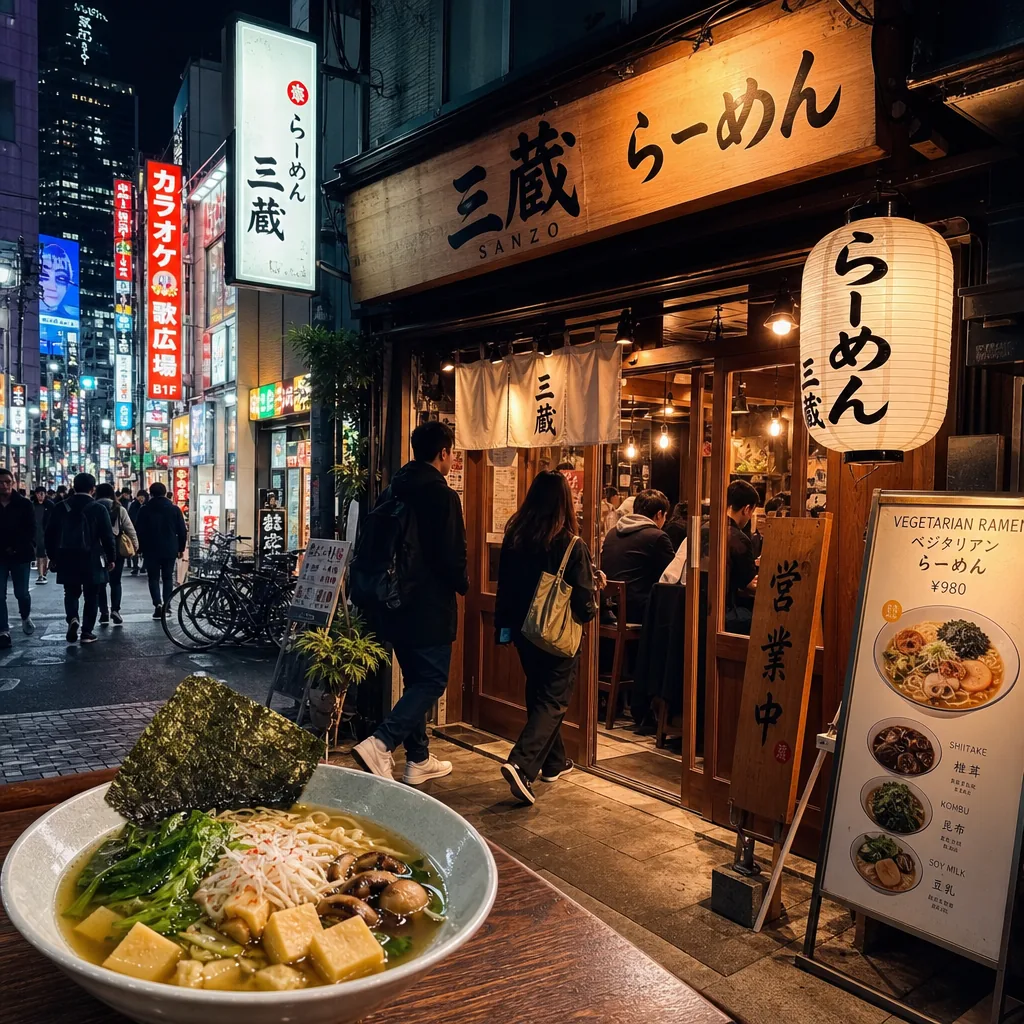
Find late-night vegetarian ramen in Tokyo by focusing on Shibuya, Shinjuku, and Roppongi, then verify broth, hours, and vegan menu details.
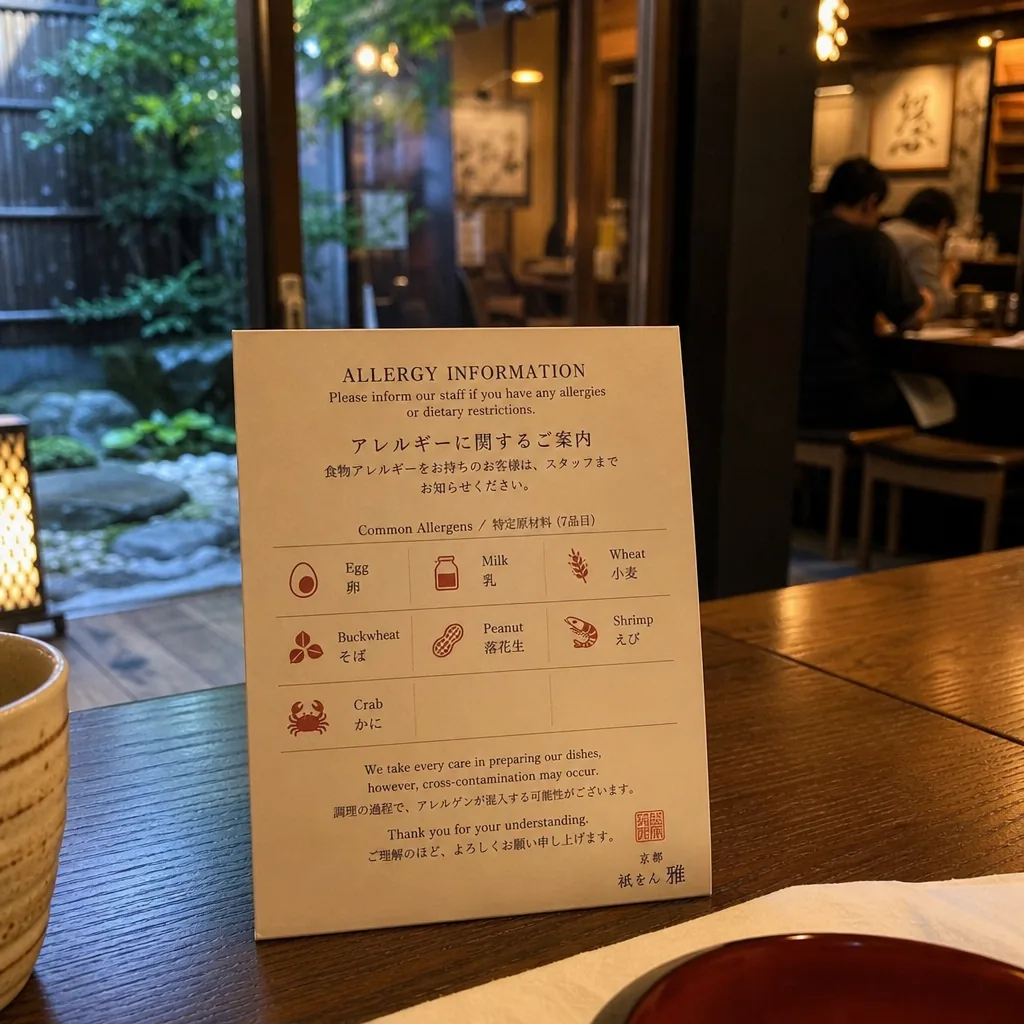
Practical Kyoto guide for expats on finding allergy-friendly restaurants, using official city resources, Japanese labeling rules, and booking tips.