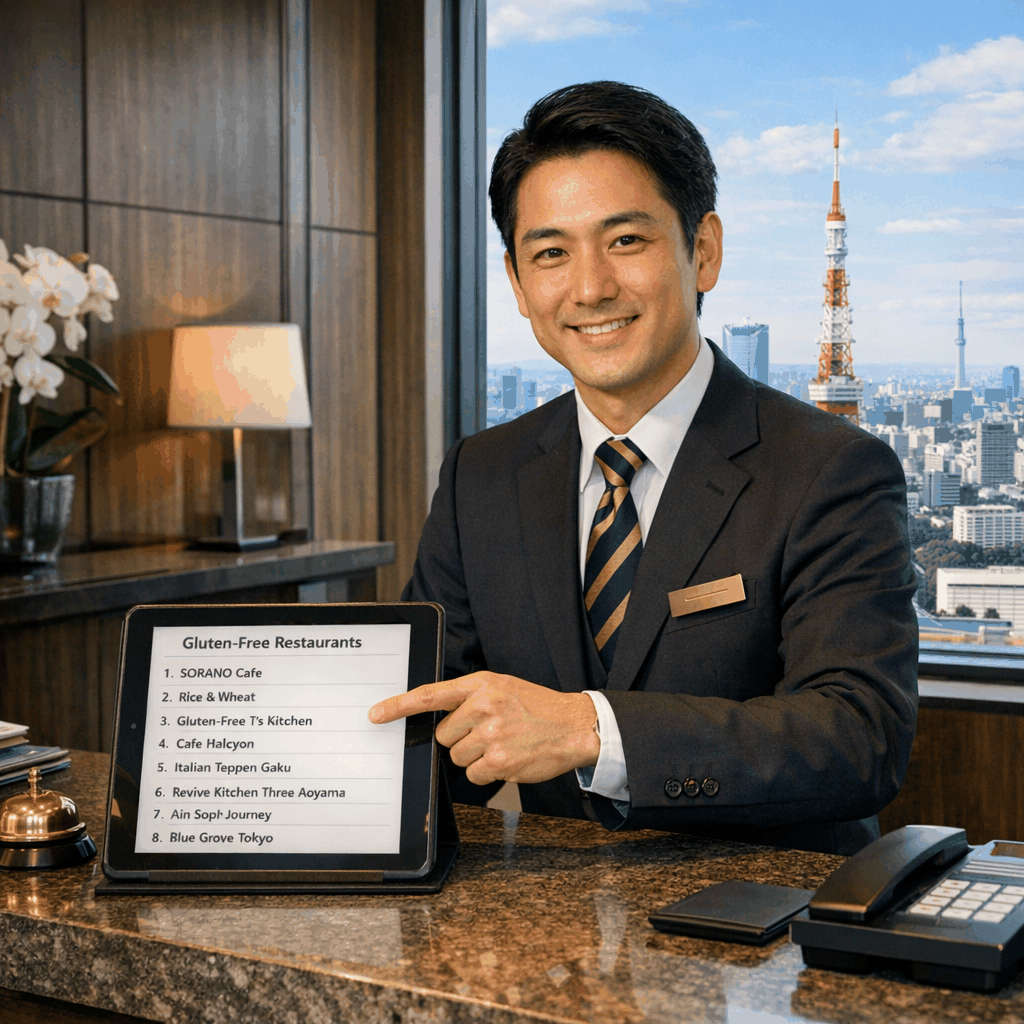
Can a concierge find gluten free restaurants in Tokyo?
Tokyo concierges can find gluten‑free restaurants using Tabelog, Gluten Free Japan, and MHLW allergen rules. Success depends on clear communication and celiac r
Read Article
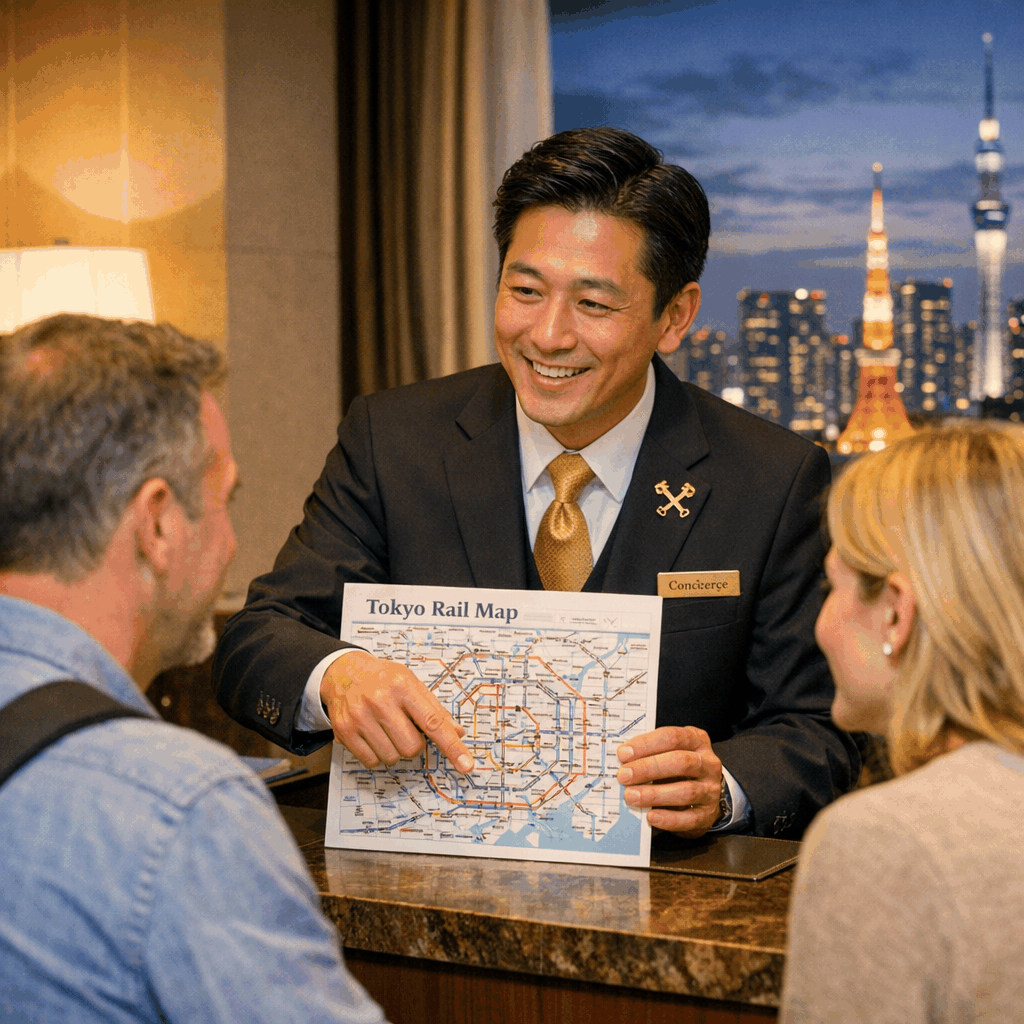
Yes — in Tokyo you can rely on hotel concierges and official tourist information centers to help with trains: they can issue or top up Suica/PASMO cards, check routes and timetables, and arrange reserved-seat or shinkansen tickets via JR ticket offices or official reservation channels in English [1][2][3]. Use them when you want printed tickets, language support, or a concierge to buy rail reservations on your behalf.
Tokyo’s public-transport network includes JR East lines (including the Yamanote Line and shinkansen connections at Tokyo Station), Tokyo Metro, Toei subways, private railways, and local buses. Official tourist centers and station counters give multilingual guidance and can coordinate ticket purchases; JR East’s English pages explain Suica and ticket services, and Tokyo Metro provides IC-card and station-navigation tips for visitors [1][2][3].
Concierges at hotels and staff at official tourist information counters (for example Tokyo Station Tourist Information) typically:
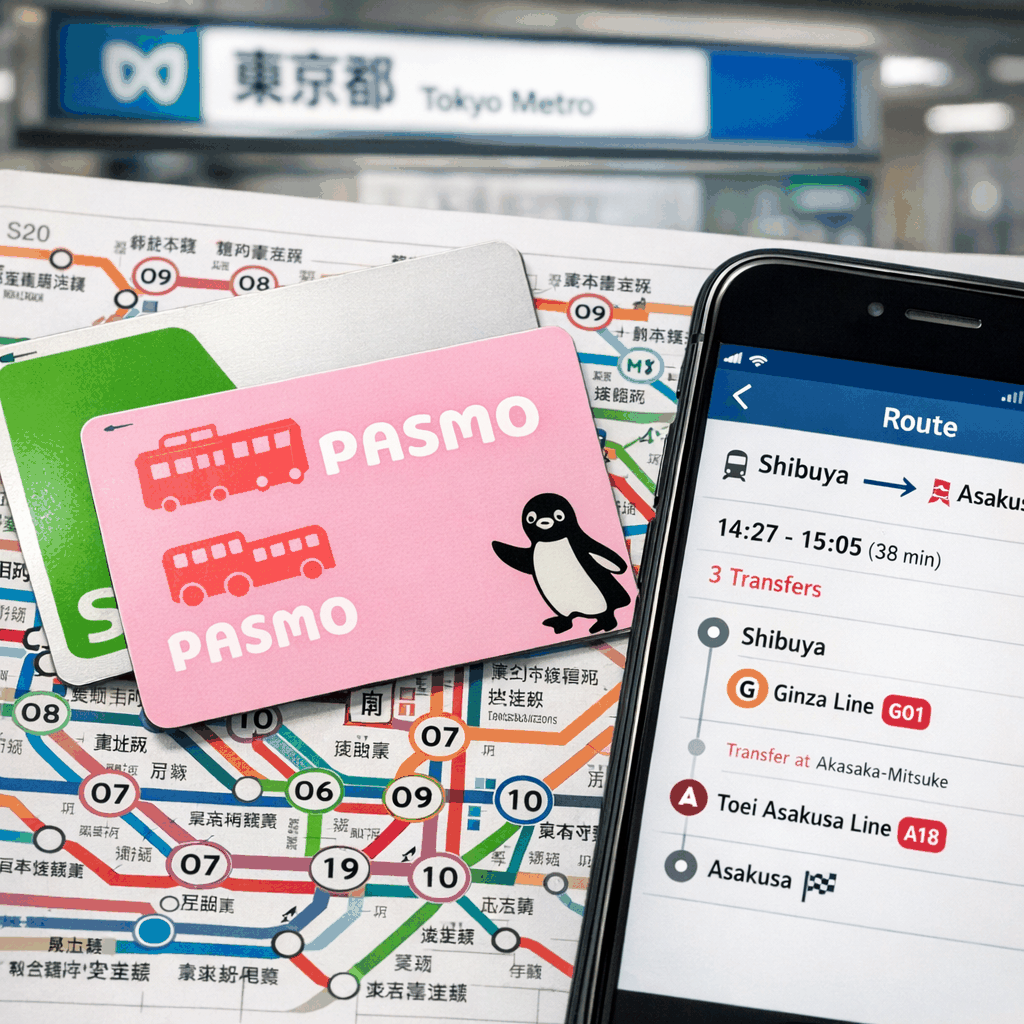
Suica (JR East) and PASMO are interoperable prepaid IC cards accepted across Tokyo’s metro, JR lines, buses, and many shops. JR East’s Suica page explains that you can buy a Suica card at JR East stations (ticket machines and staffed counters) and charge it at machines or convenience stores [1][3][4].
For intercity travel and limited‑express or shinkansen reservations, concierges can purchase tickets for you at JR ticket offices (Midori no Madoguchi) or use JR East’s official ticketing services. JR East’s Tickets & Passes page describes reserved-seat and shinkansen ticket options and how to buy them at station offices or via official reservation systems in English [2].
Concierges can translate station names, write exit/transfer instructions, and show exactly how to pass through gates using Suica/PASMO. Tokyo Metro’s IC-card guide outlines how to use cards at gates and plan transfers, which concierges commonly print or annotate for guests to carry into large stations like Tokyo Station or Shinjuku [3].
Use these concrete points of contact:
Using concierges and official tourist centers in Tokyo makes navigating the rail system easier: they bridge language gaps, handle ticket purchases (including shinkansen reservations at Midori no Madoguchi), and prepare printed step‑by‑step directions for large stations like Tokyo Station — use Tokyo Station Tourist Information, JR East counters, and airport tourist desks as starting points [2][6][5].
CallButler is a multilingual concierge service that handles research, coordination, and bookings so you do not have to navigate language barriers or unfamiliar systems alone. If you need help related to How can I use Japan trains in Tokyo with concierge assistance? or the tasks around it, our team can step in to manage the details and keep things moving smoothly.
Tokyo concierges can find gluten‑free restaurants using Tabelog, Gluten Free Japan, and MHLW allergen rules. Success depends on clear communication and celiac r
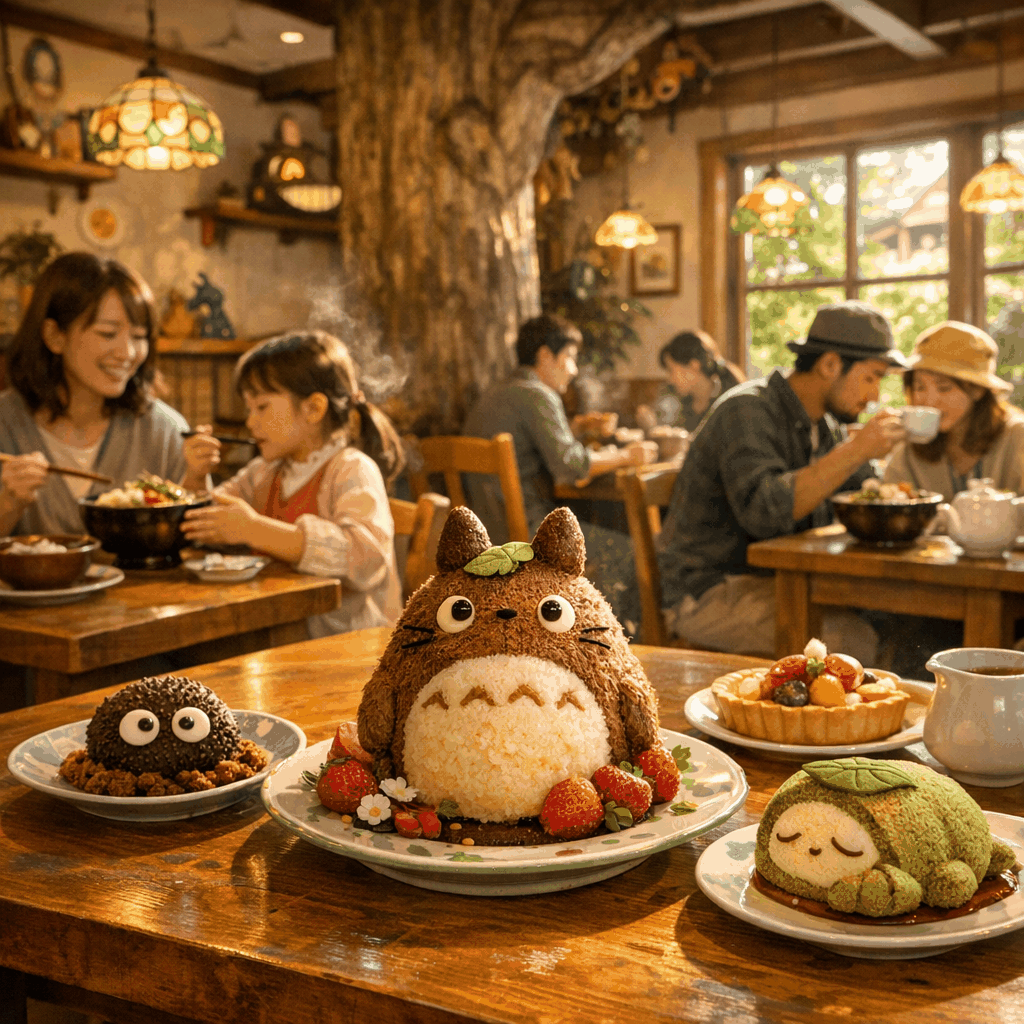
A practical guide to food options inside Studio Ghibli Park near Nagoya: where to eat by area, what to expect, dietary notes, payment, and nearby Nagoya alterna
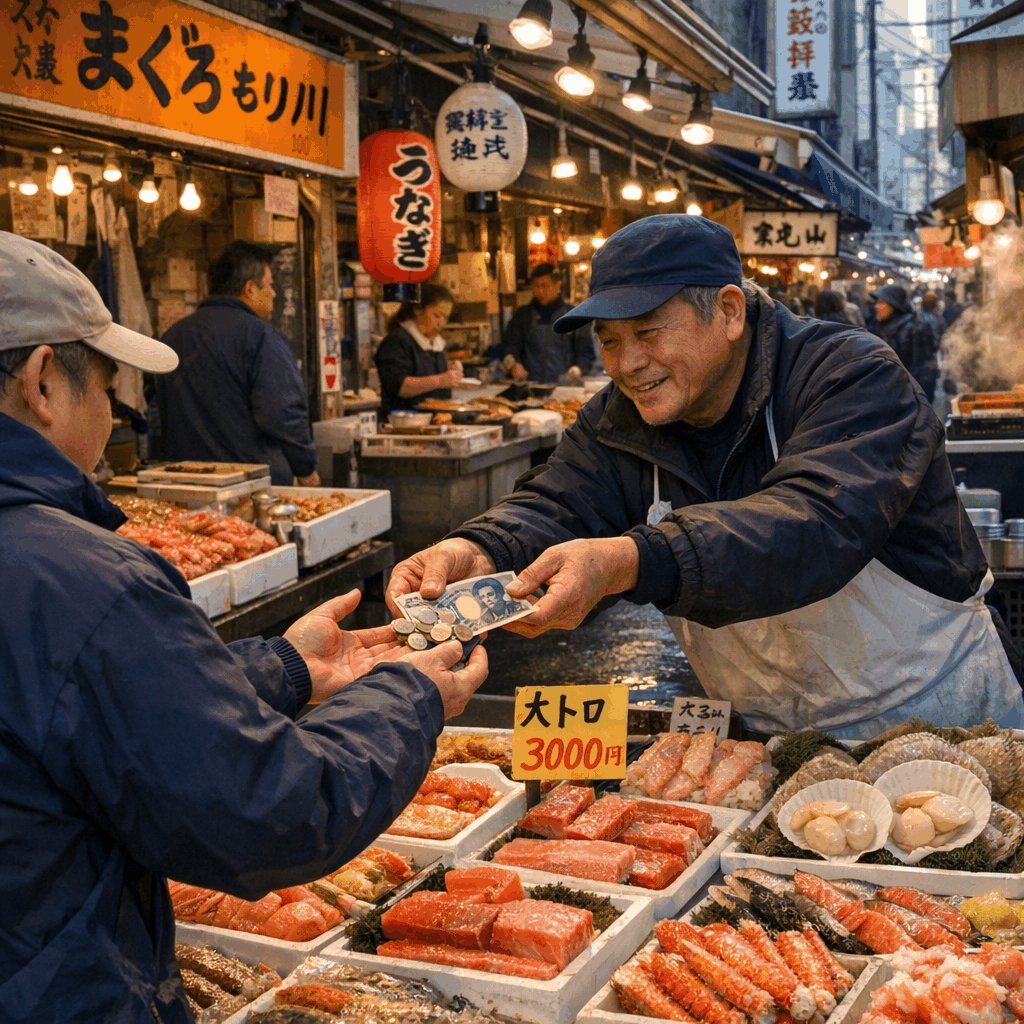
Cash is still the norm at Tokyo's Tsukiji Outer Market; some sushi restaurants and shops accept cards, Suica/Pasmo or PayPay. Bring small yen and use 7‑Eleven A