
5 Anime Cafés To Visit In Tokyo | January 2026
Check out these five anime inspired cafes in Tokyo to explore the best of Japanese pop culture: exclusive goods and delicious food await you!
Read Article

Use this compact 7-day winter itinerary as an expat-friendly plan based in Sapporo: enjoy city food and markets, take two resort ski days to Niseko or Rusutsu, recover at a nearby onsen, and finish with last-minute shopping in Susukino. Timelines, transport tips, and concrete local places are included to keep your week efficient and enjoyable in Hokkaido’s famous powder season.
Hokkaido’s winter is known for light, dry powder snow that attracts skiers worldwide; Niseko has become an international hub for that powder [4]. Sapporo is the common gateway for western Hokkaido travel and also offers iconic local food—miso ramen, fresh seafood at Nijo Market, and late-night izakaya options around Susukino [6].
From Sapporo you can reach major western resorts by car or scheduled coach services; transfers to Niseko or Rusutsu commonly take about 2–3 hours depending on conditions—allow extra time in heavy snow [2]. Regional transport passes and advance reservations for coaches, rental cars and accommodation reduce stress in winter; Niseko and Rusutsu both list English-language rental and lesson services—book lessons and equipment early in peak season to guarantee availability [4][5].
After arriving at New Chitose Airport, settle into a central Sapporo hotel (Susukino or Odori area recommended for evening access). Start with miso ramen at a well-known shop or a ramen alley near Susukino, then visit Nijo Market for fresh seafood bowls and last-minute grocery items—Nijo Market is a convenient introduction to Hokkaido seafood specialties [6]. For beer history or a museum visit, the Sapporo Beer Museum and nearby beer garden options are easy evening choices [6].
Make your base one night in Niseko or return to Sapporo depending on your tolerance for transfer time. Niseko United (Grand Hirafu, Annupuri, Hanazono) is the best-known area for international powder visitors and offers multiple rental shops, English instructors, and guided off-piste options—book lessons and lift passes in advance via Niseko’s official channels [4]. If staying overnight near Hirafu, look for hotels or pension-style lodgings that include ski shuttle options; coaches from Sapporo/New Chitose run in winter but space fills quickly [4][2].
Choose Rusutsu Resort if you want extensive groomers and tree runs with English-friendly services—Rusutsu posts detailed resort maps and rental info and runs shuttle connections in winter [5]. Furano, farther east, offers varied terrain and fewer international crowds; use Furano when you prefer longer groomed runs and less crowded lifts. Make the transfer plan the night before: Rusutsu is often accessed via a 2–3 hour coach or drive from Sapporo in typical winter road conditions [2][5].
After two or three active days on the hill, schedule a recovery day at an onsen near Sapporo. Jozankei Onsen (about 1 hour from central Sapporo) is a practical choice with multiple ryokan and public baths, while Noboribetsu is an option if you plan a longer transfer south [2]. Remember onsen etiquette: wash thoroughly before entering communal baths, understand that tattoos may be restricted (ask for private baths or towels if needed), and keep noise low; Japan Guide provides a concise etiquette summary and health notes for foreign visitors [3].
Return to Sapporo and spend a day exploring neighborhoods you missed. Revisit Nijo Market for a final seafood donburi and walk through the underground shopping arcades around Odori for winter gear or souvenirs [6]. Susukino is the nightlife hub—try local jingisukan (grilled mutton) or soup curry at recommended shops in the area [6].
Use your final morning for short sights: Odori Park, the Sapporo TV Tower, or a quick museum visit if time allows. Allow generous buffer time for the New Chitose transfer—winter road and rail can face delays—so plan coach or train departures well ahead and keep a printed reservation confirmation where possible [2][6].
Book accommodation, ski lessons and rental gear early for peak winter weeks; use official resort booking pages (Niseko and Rusutsu provide English info) and Visit Hokkaido guidance for seasonal schedules and local advisories [4][5][2]. Keep a flexible mindset about transfer times—plan afternoon or evening travel windows rather than tight same-day connections during heavy snowfall. With balanced active days and a dedicated onsen recovery, a Sapporo-centered week maximizes powder, food and relaxation while keeping logistics manageable for expats in Japan.
CallButler is a multilingual concierge service that handles research, coordination, and bookings so you do not have to navigate language barriers or unfamiliar systems alone. If you need help related to 7-day winter Hokkaido itinerary for expats: skiing, onsens, food and or the tasks around it, our team can step in to manage the details and keep things moving smoothly.
Check out these five anime inspired cafes in Tokyo to explore the best of Japanese pop culture: exclusive goods and delicious food await you!

Introducing 52 top restaurants in Japan that offer a unique dining experience, including Michelin star awarded restaurants.
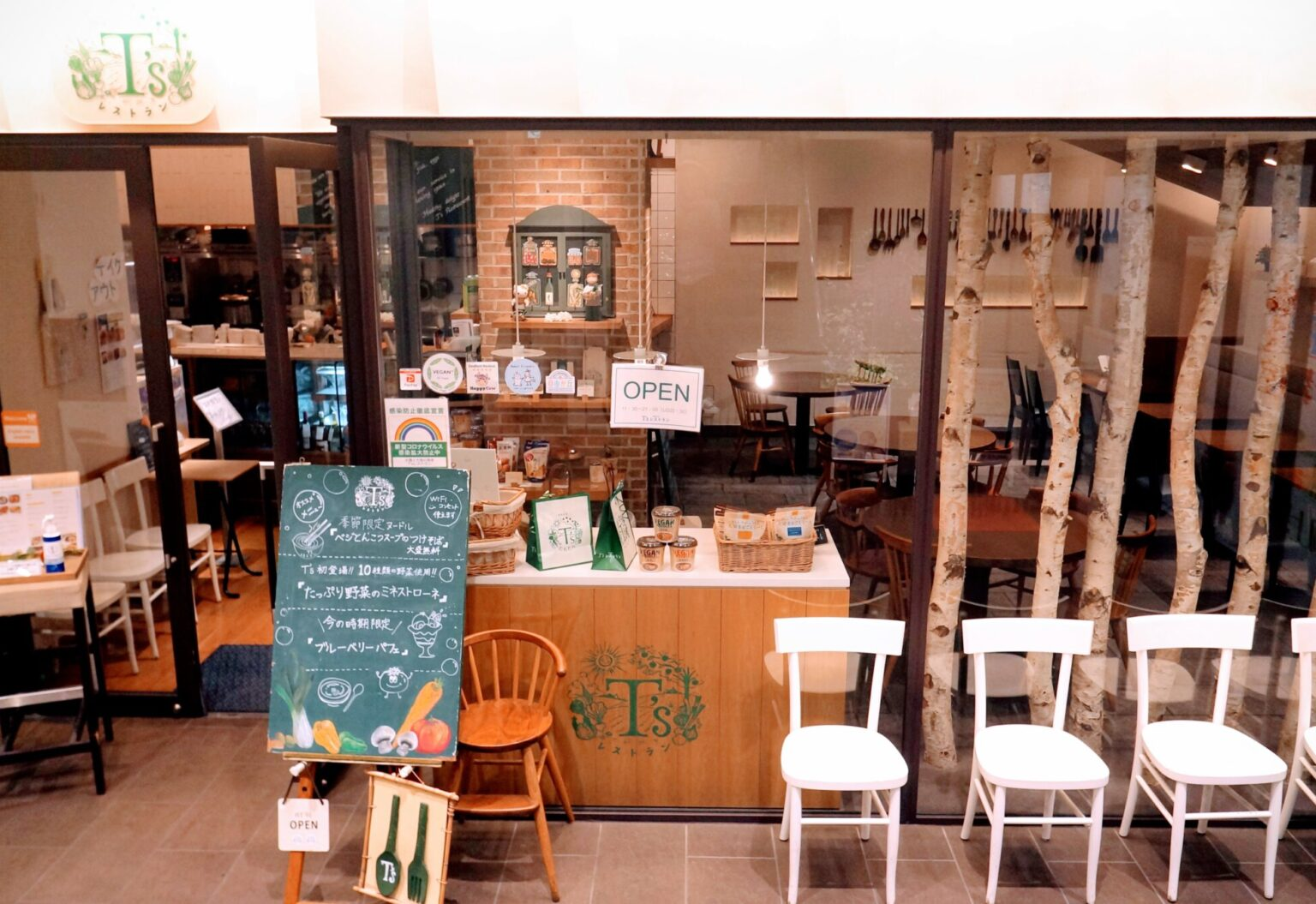
Tokyo’s vibrant food scene is famous worldwide, and it’s not just for its sushi or ramen. The city is home to an incredible range of vegetarian and vegan restaurants that …